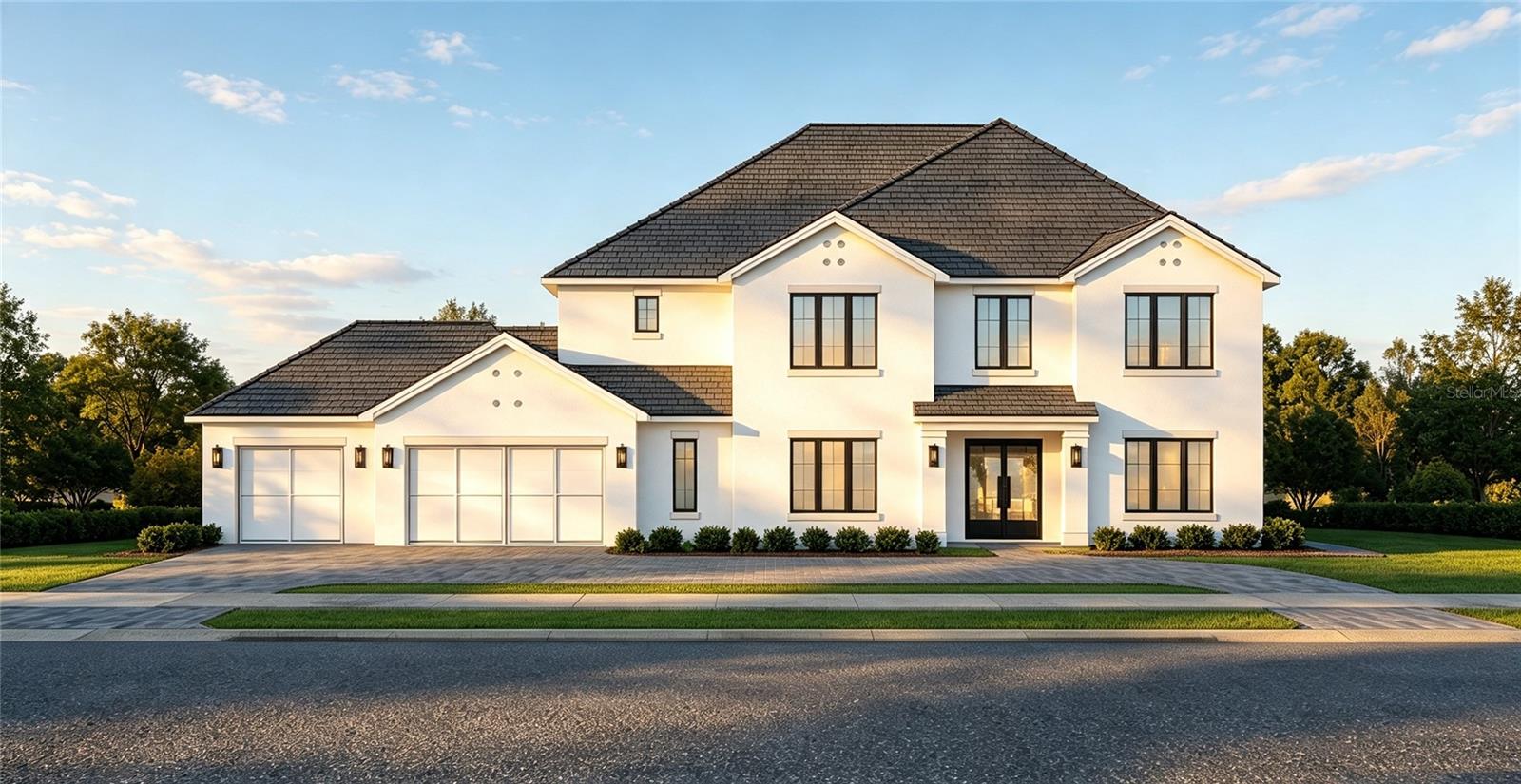
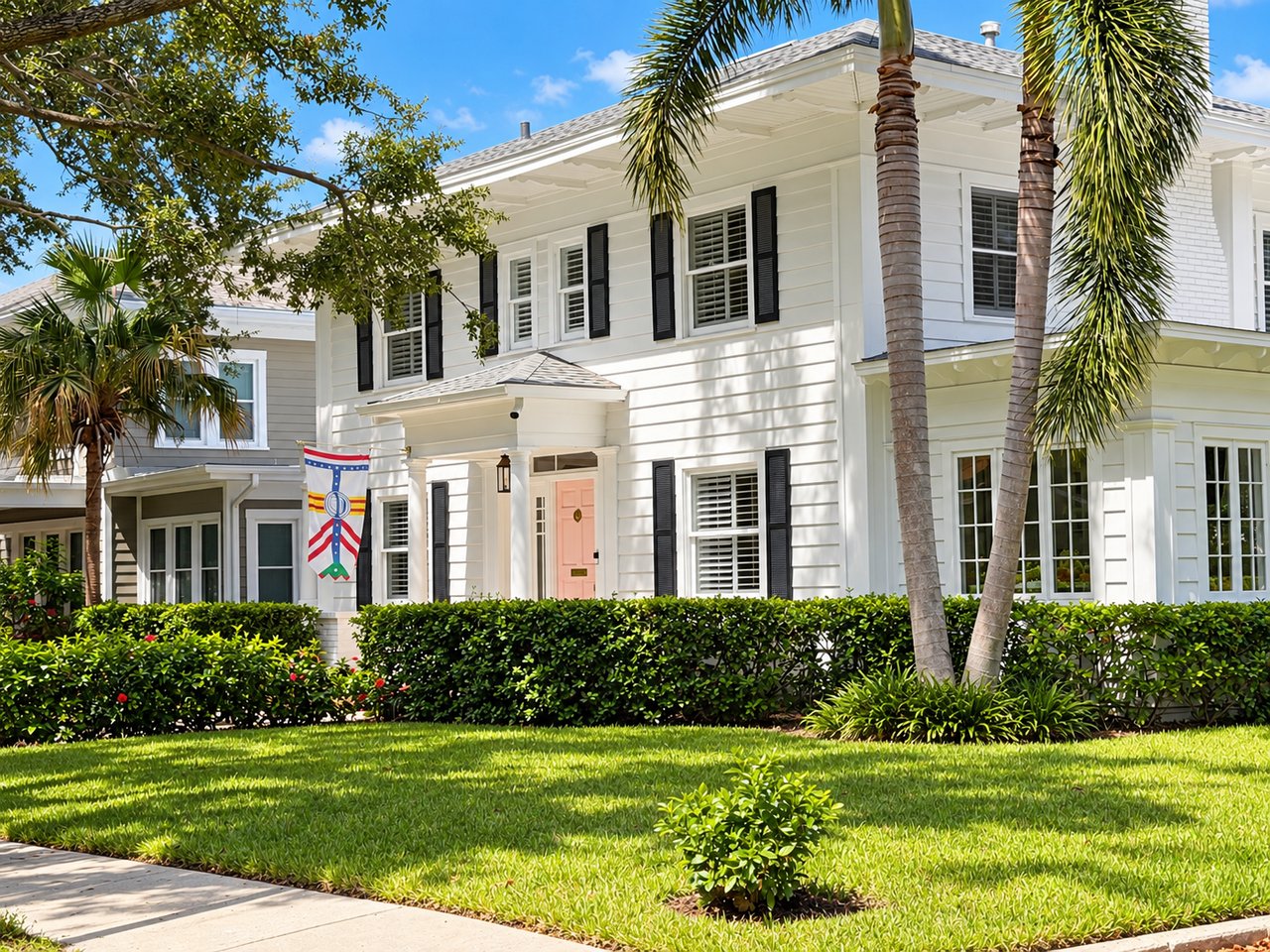
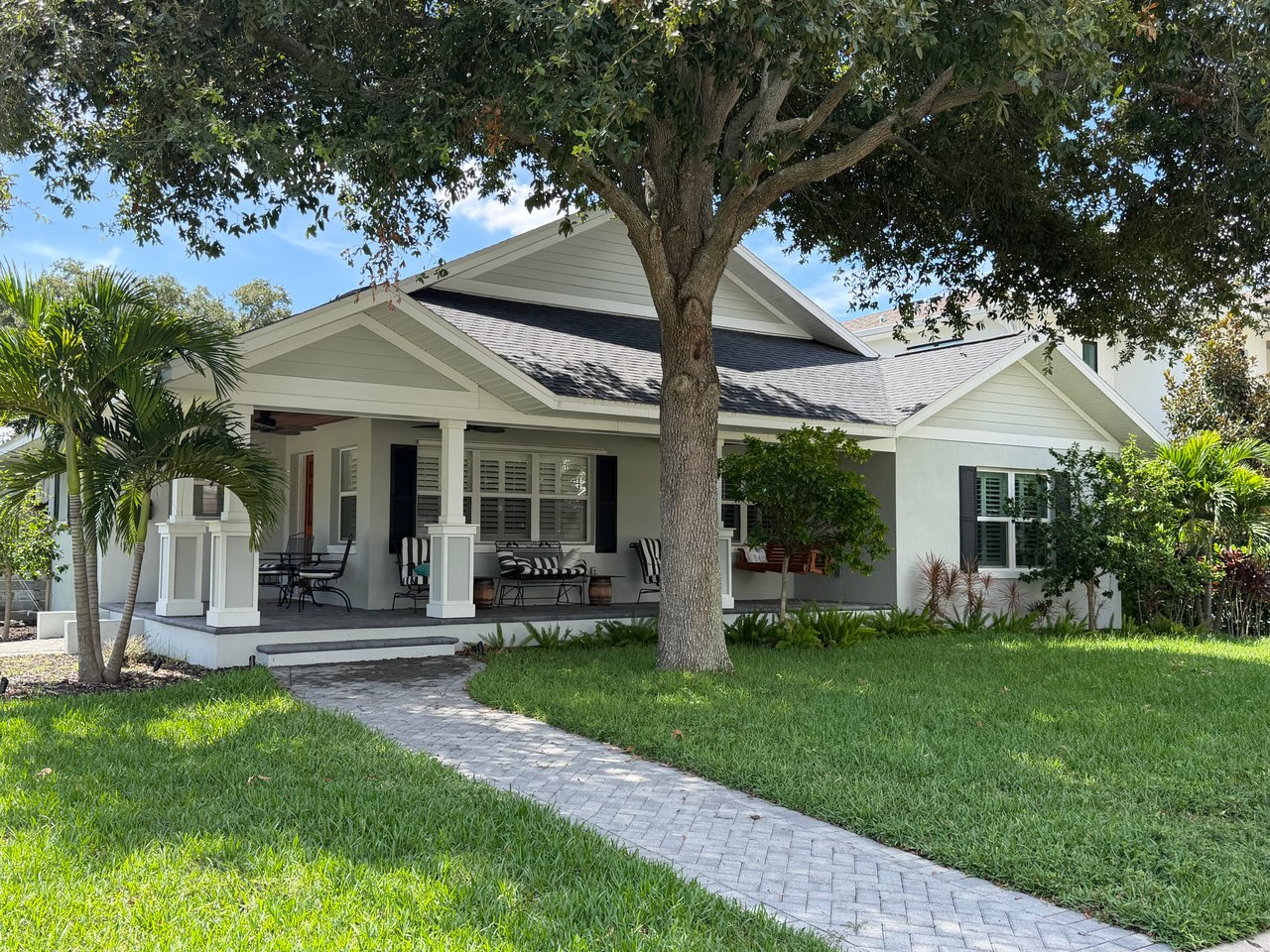
Palma Ceia is a residential neighborhood in the center of South Tampa, built mostly in the 1920s around H.B. Plant High School and Palma Ceia Golf & Country Club.
"'Neath the pines of Palma Ceia, Near the bays deep blue..."
That's the opening of the Plant High alma mater. I sang it as a Plant student, and so did my husband and our kids. Not many neighborhoods get their name in a school song. This one earned it.
How it got its name. In the early 1900s, Thomas and Ruby Palmer opened a natural spring on their Bayshore property to the public. People rode the streetcar out from downtown to swim in water that stayed at 72 degrees year round. The most likely explanation for the name: "Palma" for the Palmers, "Ceia" from nearby Terra Ceia. Even local historians say no one knows for sure.
The streets tell the rest of the story. Almost every one has a Spanish name with a match in Old Havana: San Pedro, San Jose, Santiago, Granada, Barcelona.
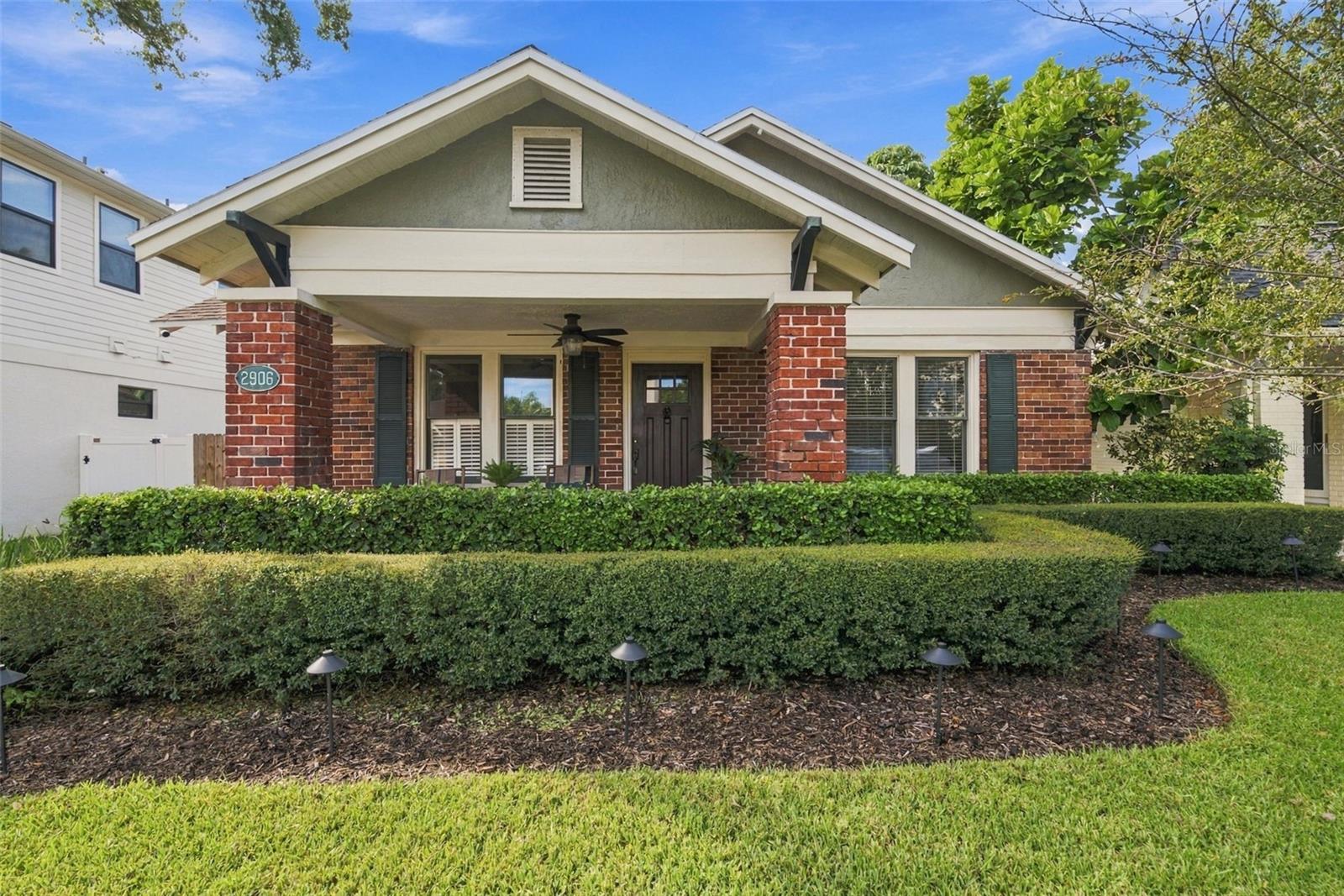
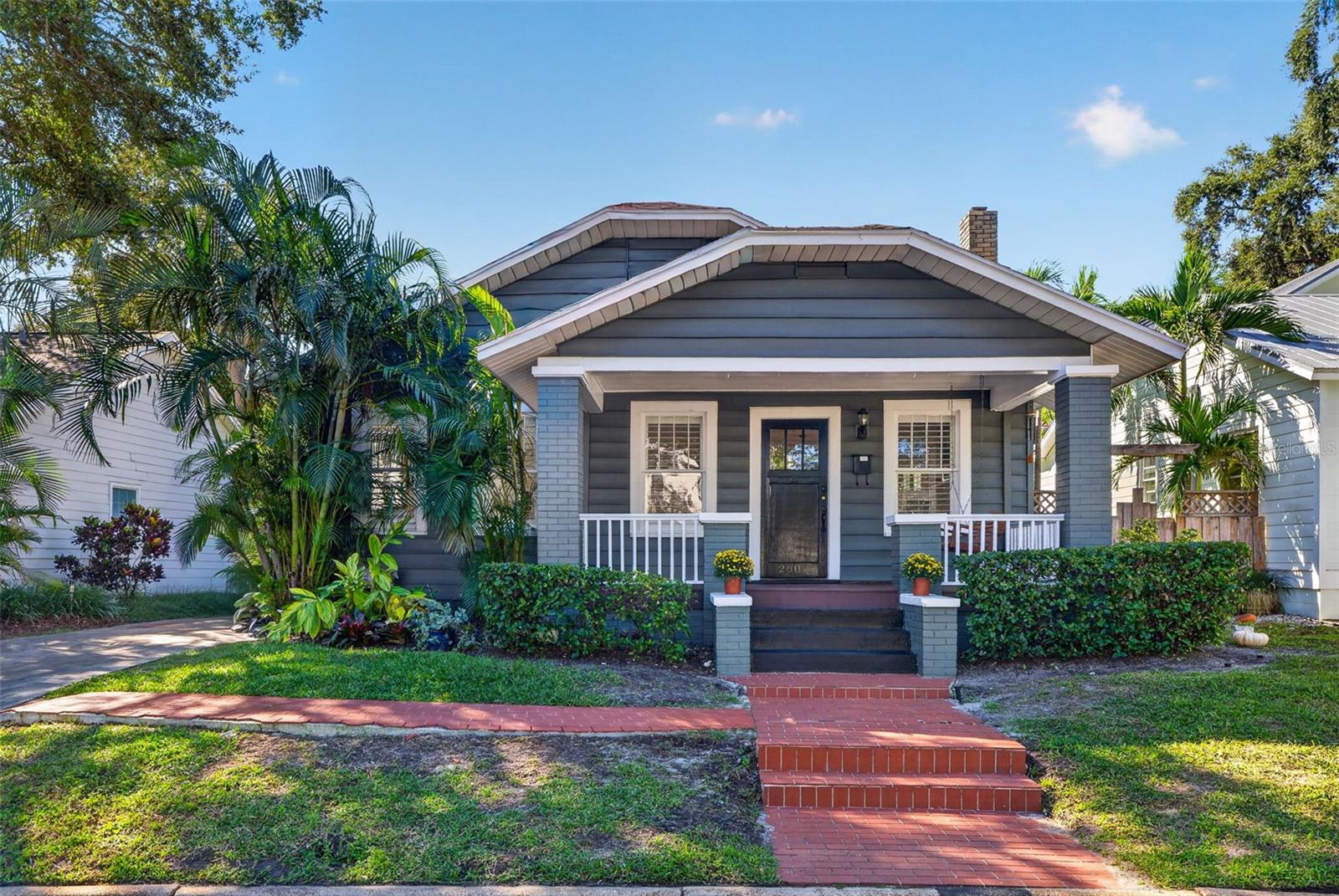
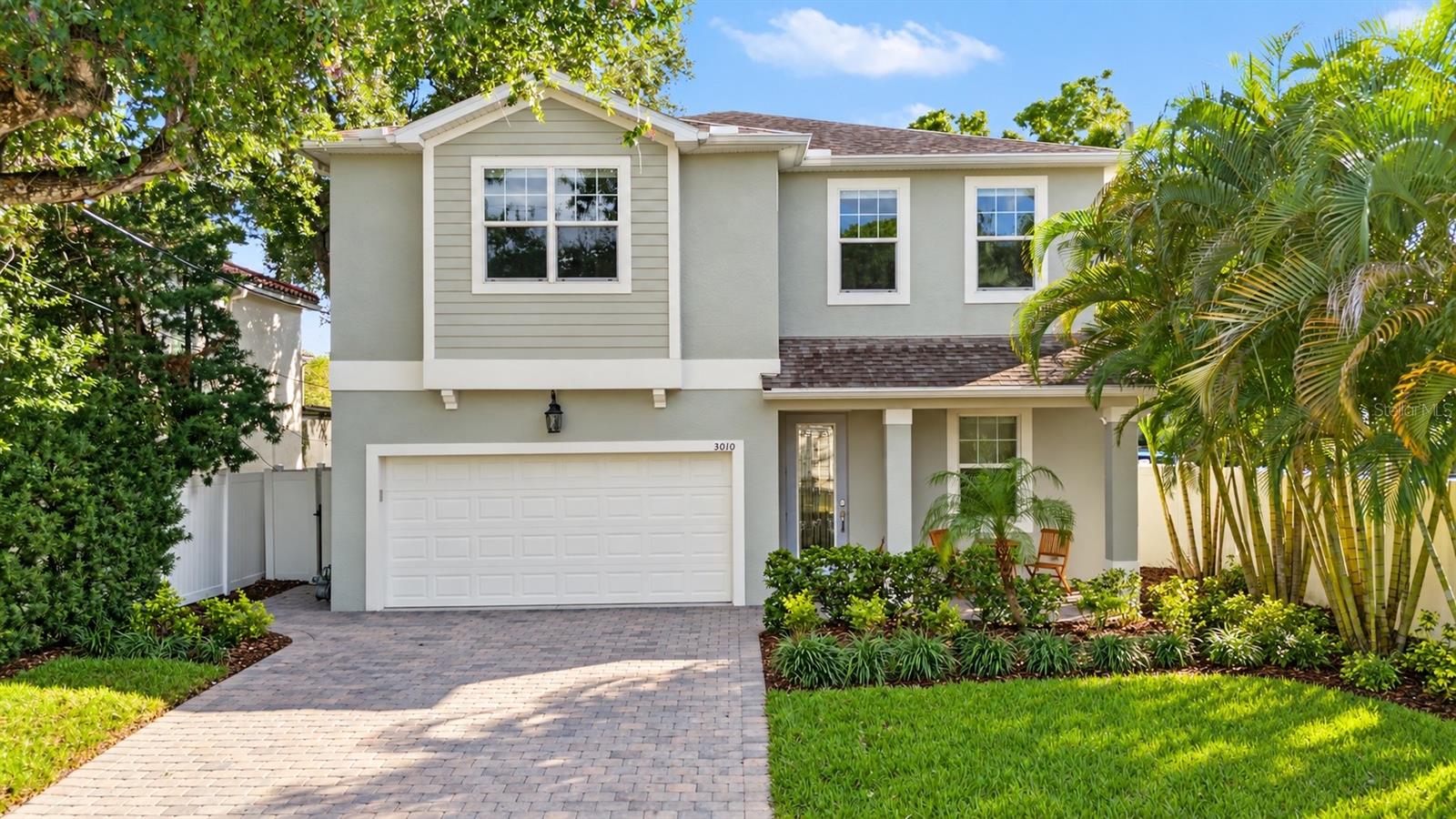
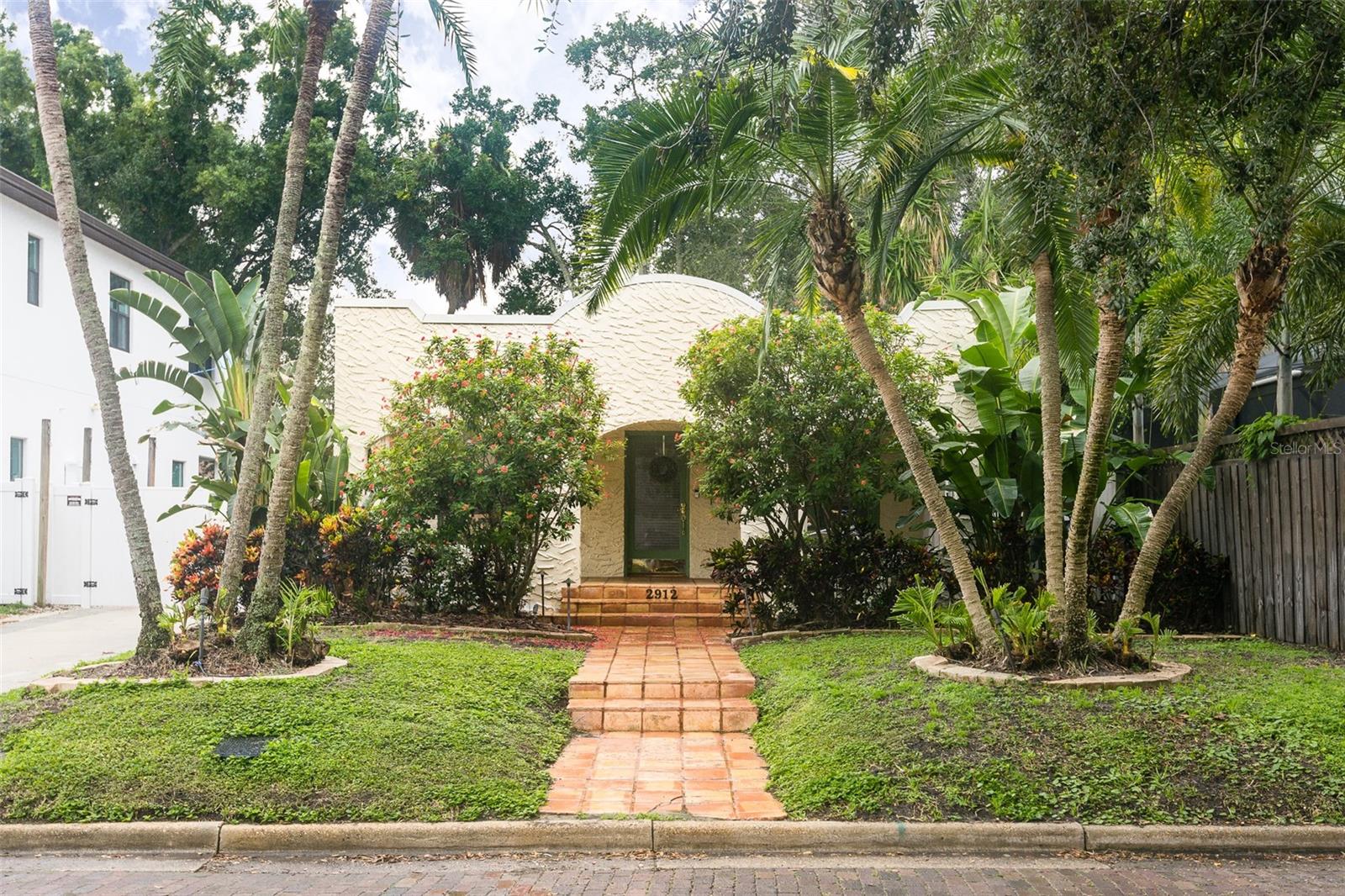
What it feels like now. Oak trees, brick streets and front porches. Original bungalows sit next to new two-story homes on almost every block. You can walk to Plant on a Friday night, to Bay to Bay for ice cream, and to Bayshore for a run. It's one of the few places in Tampa where the neighborhood still works on foot.
Median sold price | $1,012,000 |
Average sold price | $1,112,547 |
Median price per sq ft | $492 |
Homes sold (12 months) | 53 |
Original homes (pre-1950) | Median $880,000 |
Newer homes (1994 and later) | Median $1,425,000 |
ZIP code | 33629 |
Schools | Roosevelt Elementary, Coleman Middle, Plant High |
Getting around | Walkable to Bay to Bay, MacDill and Bayshore; minutes to the Selmon, Dale Mabry and TPA |
Flood zone | Mostly FEMA Zone X (lowest risk); check the address |
Source: Stellar MLS, single-family homes sold Oct. 15, 2025 to Oct. 15, 2026. Excludes condos, townhomes and lots under 0.10 acres.
Want these numbers in one place? Download the Palma Ceia Guide.
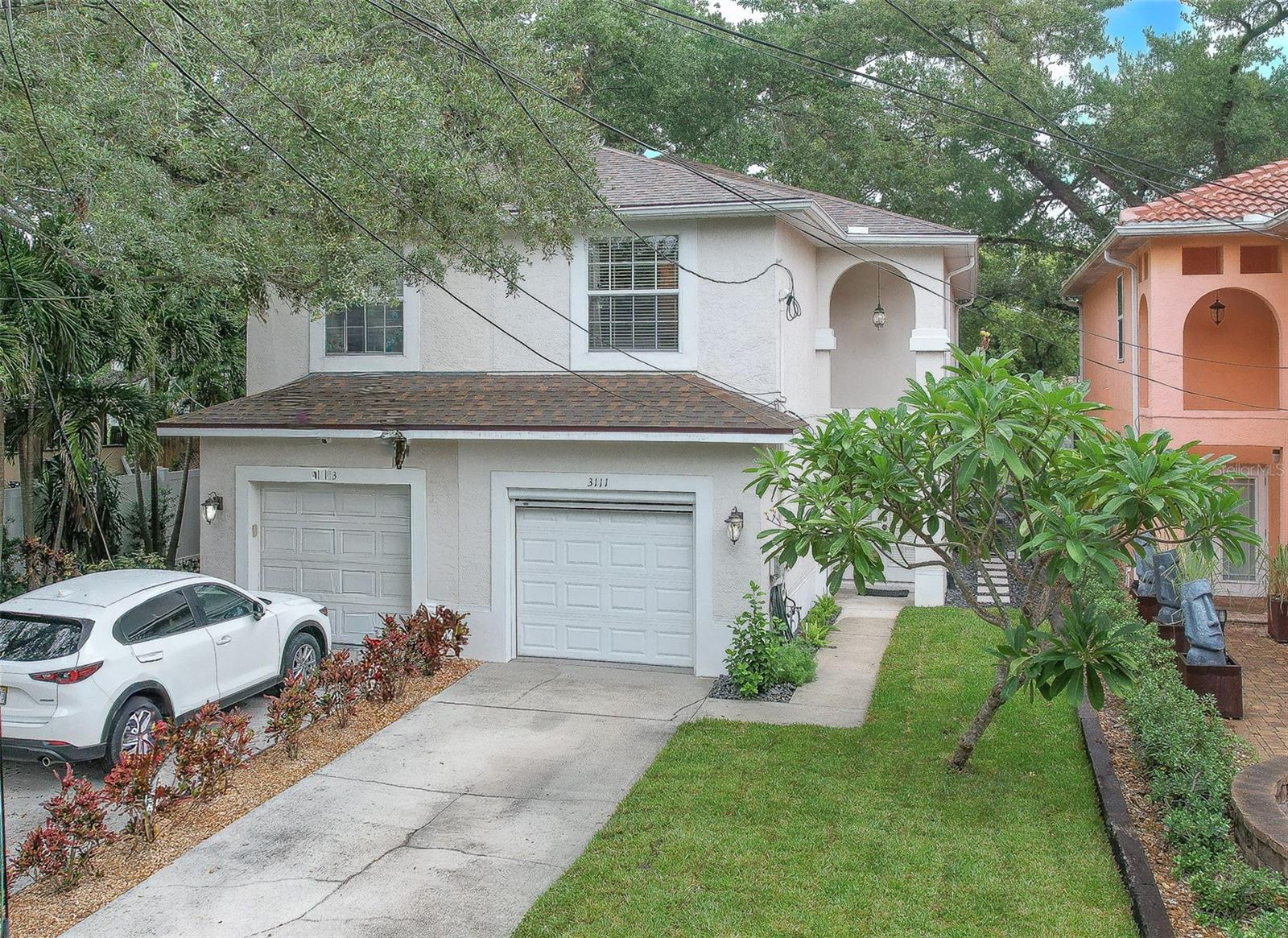
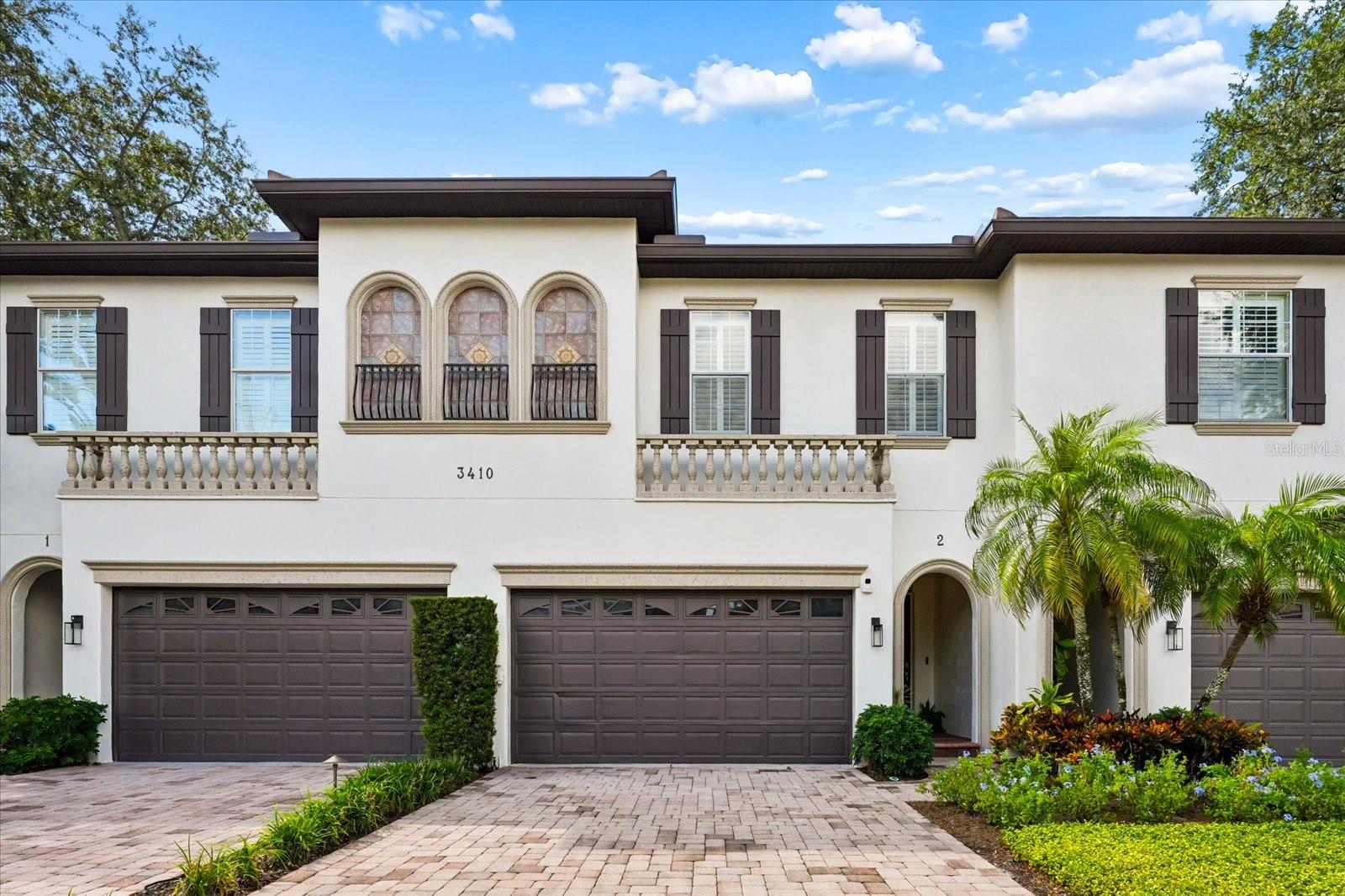
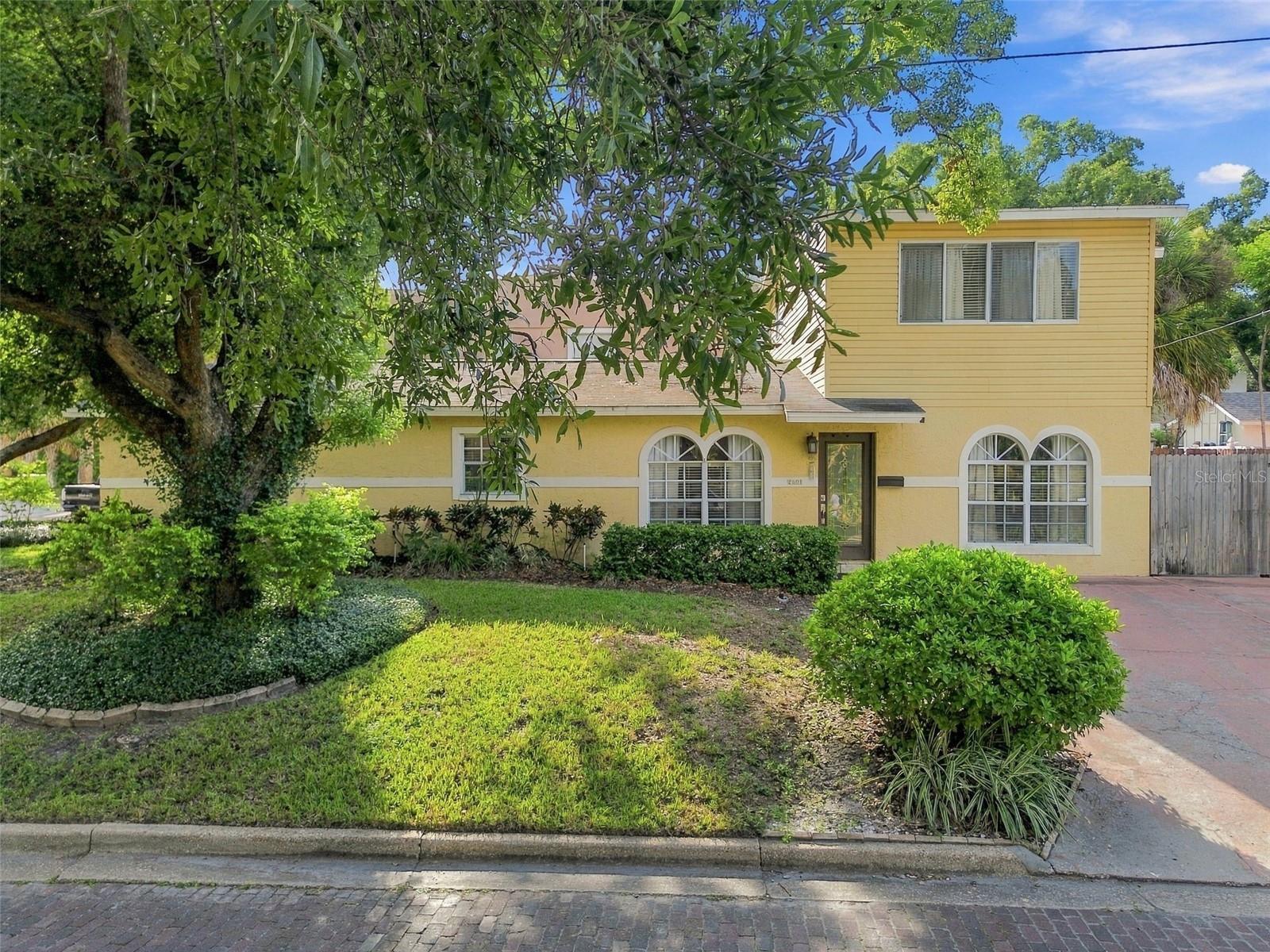
In Palma Ceia you're choosing between two kinds of house, not two parts of the neighborhood. Over the past year, every single-family sale on a full lot was either an original home or new construction. Nothing in between.
Where I actually go. Most of it is walkable from anywhere in the neighborhood.
Pick | Why | Where |
|---|---|---|
Contemporary American, in the Design District | 2909 W. Bay to Bay Blvd. | |
Lebanese and Mediterranean, a South Tampa standby | 2832 S. MacDill Ave. | |
Chef-driven Vietnamese-French, in the Michelin Guide | 2507 S. MacDill Ave. | |
Casual American on MacDill | 2616 S. MacDill Ave. | |
Indian food from across the regions, with a good wine list | 2601 S. MacDill Ave. | |
Toffee to Go | Local toffee that made Oprah's Favorite Things in 2013 | 3251 W. Bay to Bay Blvd. |
Ice cream made by a Tampa family, the Chillura siblings | 3302 W. Bay to Bay Blvd. | |
CAMP | A neighborhood gym for almost 10 years, Pilates and circuit classes | 3012 W. Palmira Ave. |
Bayshore Boulevard | Where everyone walks and runs | A few blocks east |
All my picks, with addresses, are in the Palma Ceia Guide.
Most of Palma Ceia is zoned for Roosevelt Elementary, Coleman Middle and Plant High. Plant sits right in the middle of the neighborhood. School boundaries can change, so always confirm a specific address with the Hillsborough County Public Schools school locator.
Nearby private school: Academy of the Holy Names is on Bayshore, just outside the neighborhood.
More on the district in my H.B. Plant High School guide.
Flooding. I grew up in a South Tampa house that flooded four times, so I don't say this lightly: Palma Ceia isn't known for flooding. It sits on the higher, central part of the South Tampa peninsula, away from the bay, and most of it is in FEMA Flood Zone X, the lowest-risk designation. That doesn't mean zero risk. Check the specific address, and remember that flood zone and evacuation zone aren't the same thing.
The price of entry. Over the past year, original bungalows sold at a median of $880,000. New construction sold at a median of $1,425,000. There isn't much under $750,000 on a full lot.
Small lots. Most lots are about 0.11 acres, roughly 50 by 100 feet. You get a yard, not acreage.
Construction. Older homes keep coming down and new ones keep going up. Expect a build site on your street at some point. If you own an original, builders will call. Here's what to know before you say yes.
Speed. The good ones don't wait. Over the past year, more than half of the original bungalows went under contract within a week. If you're buying, be ready before you find it.
Buyers who look at one usually look at the other. Both are walkable, both are zoned for Plant, and both have 1920s bungalows. The difference is pace.
Palma Ceia | Hyde Park | |
|---|---|---|
Feel | Residential, quieter, porches and brick streets | Busier, more urban, closer to downtown |
Walk to | Bay to Bay and MacDill shops, Plant, Bayshore | Hyde Park Village, SoHo, Bayshore |
Housing | Bungalows and new single-family builds | Historic homes, townhomes and condos |
If you want to walk to dinner most nights, look at Hyde Park. If you want a yard, a porch and a school you can hear from your house, Palma Ceia is usually the fit.
In May, I listed a 1928 bungalow on W. San Jose Street. It went under contract before it ever hit the market. All cash, at full asking price.
The demand didn't stop there. The buyers have a family member now looking for something similar nearby. Several buyers who missed out are still waiting for the next one.
What stood out to me wasn't how fast it sold. It was how many buyers were still looking after it was gone.
That's Palma Ceia right now. Over the past year, more than half of the original bungalows here went under contract within a week.
In the center of South Tampa, roughly between Bay to Bay Boulevard, Neptune Street, Dale Mabry Highway and the Selmon Expressway. The ZIP code is 33629.
The median single-family sale was $1,012,000 over the past year, based on 53 sales in Stellar MLS. Original bungalows sold at a median of $880,000 and newer homes at $1,425,000.
Most of the neighborhood is zoned for Roosevelt Elementary, Coleman Middle and Plant High. Confirm any address with the Hillsborough County school locator.
Most of Palma Ceia is in FEMA Flood Zone X, the lowest-risk designation. It sits on higher ground in the center of the peninsula. Always check the specific address.
No one knows for sure. The most likely explanation is "Palma" for Thomas and Ruby Palmer, who owned the spring that drew early visitors, and "Ceia" from nearby Terra Ceia.
Yes. Most homes are within walking distance of Plant High, the shops and restaurants on Bay to Bay and MacDill, and Bayshore Boulevard.
Not technically. The towers sit just east on Bayshore, in Bayshore Gardens. MLS lists them under the Palma Ceia area, which is why they show up in searches.
Fast. Over the past year, more than half of the original bungalows went under contract within a week, and the median time on market for all single-family homes was 15 days.
I'm a third-generation South Tampa native and a Plant High grad, and I've watched this neighborhood change block by block. If you're buying, I'll tell you which streets fit what you want and which homes to skip. If you own here and wonder what your home might sell for, I'll give you an honest number. No pressure.
Download Palma Ceia Neighborhood Guide
Kelly Burchill
Broker Associate at Compass, Florida and New York
(813) 758-3292 · [email protected]
5,677 people live in PALMA CEIA, where the median age is 37 and the average individual income is $93,206. Data provided by the U.S. Census Bureau.
Total Population
Median Age
Population Density Population Density This is the number of people per square mile in a neighborhood.
Average individual Income
PALMA CEIA has 2,155 households, with an average household size of 3. Data provided by the U.S. Census Bureau. Here’s what the people living in PALMA CEIA do for work — and how long it takes them to get there. Data provided by the U.S. Census Bureau. 5,677 people call PALMA CEIA home. The population density is 6,663 and the largest age group is Data provided by the U.S. Census Bureau.
Total Population
Population Density Population Density This is the number of people per square mile in a neighborhood.
Median Age
Men vs Women
Population by Age Group
0-9 Years
10-17 Years
18-24 Years
25-64 Years
65-74 Years
75+ Years
Education Level
Total Households
Average Household Size
Average individual Income
Households with Children
With Children:
Without Children:
Marital Status
Blue vs White Collar Workers
Blue Collar:
White Collar: