
LICENSED IN FLORIDA AND NEW YORK | COMPASS
Moving from New York to Tampa isn’t just a change of address. It’s a different market. Different neighborhoods, property types, insurance, flood risk, school zones — and a different way of buying.
I grew up in South Tampa. Third generation. I’m also licensed in both Florida and New York, so I work both ends of the move. I’ll walk you through Tampa at the neighborhood and street level, then build a plan around what you’re selling, what you’re buying, and how the timing has to line up.
Primary home, second home, or an investment — I’ll tell you what carries over from New York, what doesn’t, and what you need to know before you decide.
SCHEDULE YOUR NYC-TO-TAMPA STRATEGY CALL
Most agents can help you buy a house. Fewer understand the whole move.
Selling in New York before you buy in Tampa. Buying before your New York place closes. Keeping a foot in both cities. These decisions aren’t separate — one pulls on the other. Your timing, your cash, your financing, your negotiating position in one market shapes what you can do in the other.
I work in both Tampa and Manhattan. So I treat this as one move with connected parts, not two transactions that happen to involve the same person.
Here’s where that helps:
SCHEDULE YOUR NYC-TO-TAMPA STRATEGY CALL

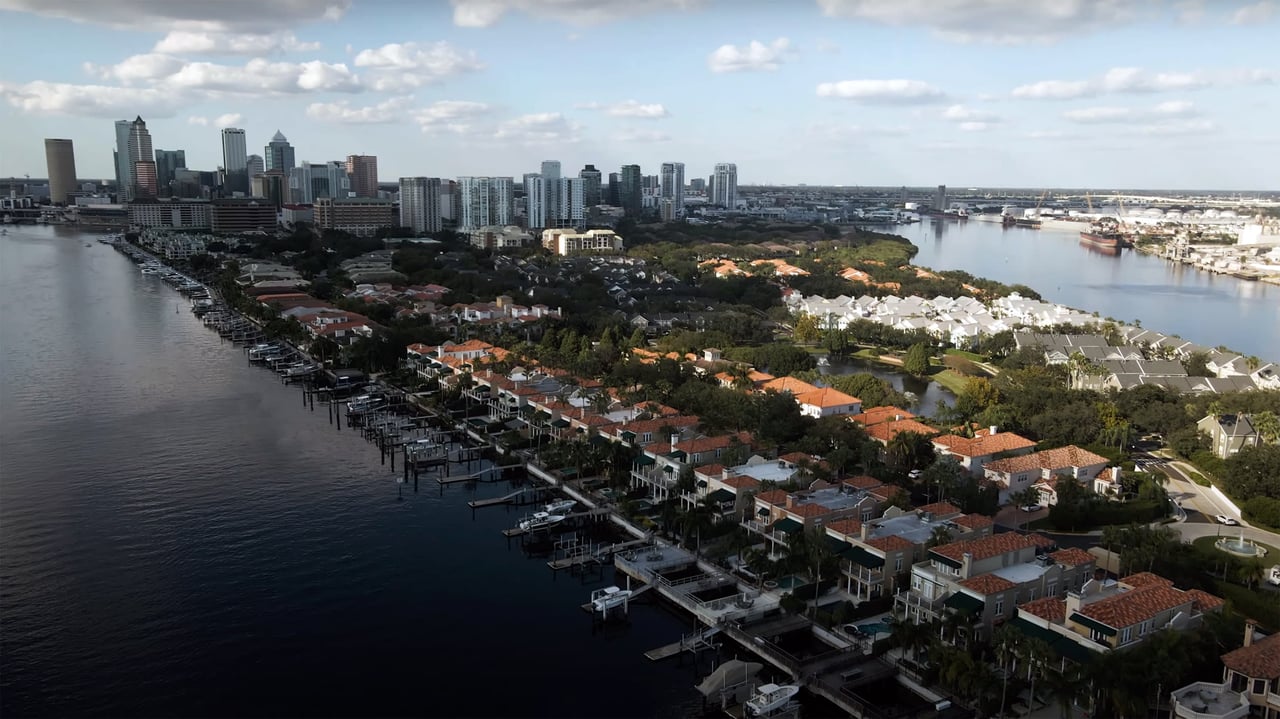
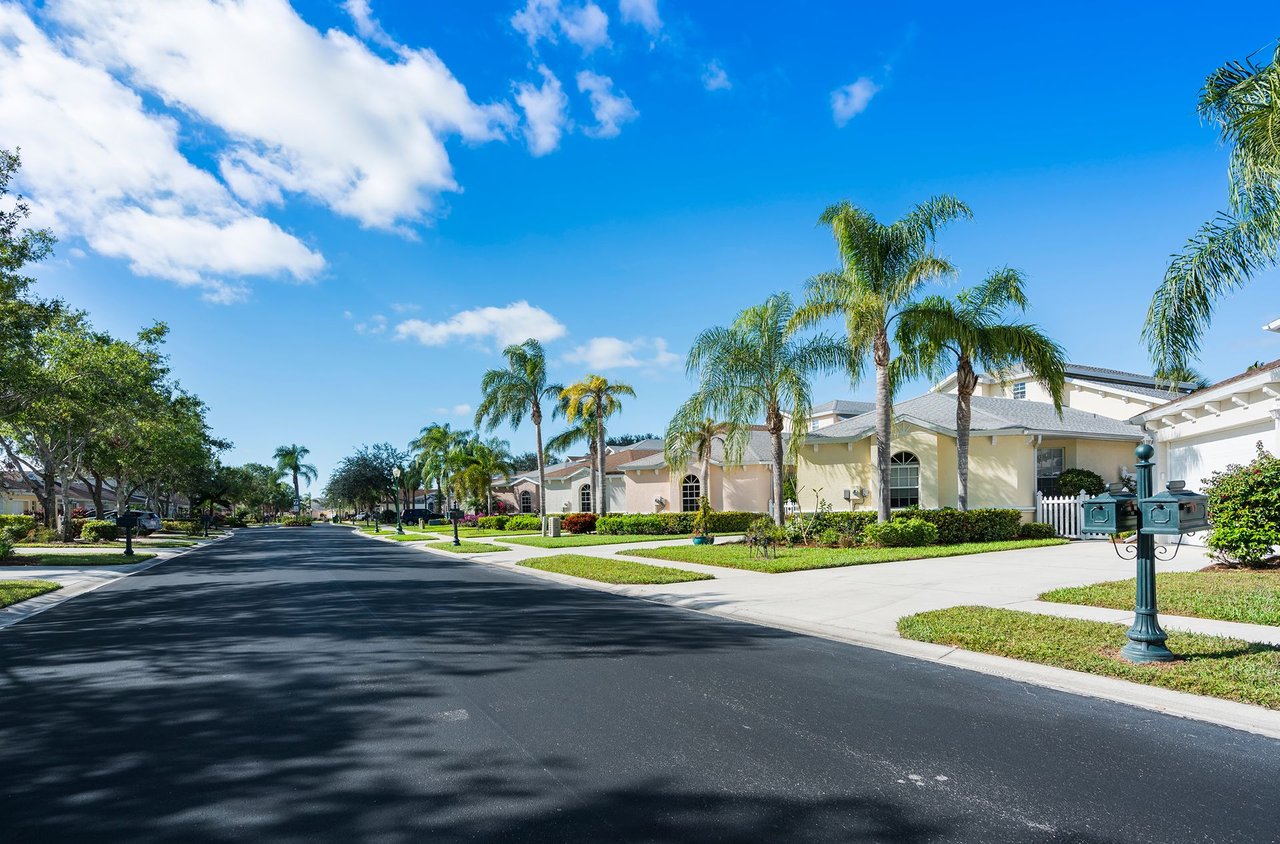
Tampa isn’t one market. It changes block to block. Two homes at the same price can carry very different insurance costs, flood exposure, school assignments, and resale value.
A listing tells you beds, baths, and square footage. It can’t tell you how a street feels at 5 p.m., why one side of a neighborhood costs more than the other, or which house has a problem worth a second look before you write an offer. That part comes from knowing the place.
DOWNLOAD THE TAMPA RELOCATION GUIDE
The right neighborhood isn’t just a budget question. It’s about what you want to keep from your life in New York — and what you’re hoping to change.
Here are the ones that come up most with buyers moving down from New York
“Tampa was never on my radar. Now it's at the top of the list.”
I met Kelly in New York and had never really considered Tampa for a second home. Being from New York, I assumed we'd end up somewhere on Florida's East Coast.
What I appreciated immediately was that she understood where I was coming from. She knows New York, but she knows Tampa incredibly well too — so she explained the neighborhoods, the lifestyle, the differences in a way that actually made sense to me.
When I came down, I was genuinely surprised by how much I liked it. The waterfront, the restaurants, the airport access, the quality of life — none of it was what I'd pictured.
“She knows both markets, and she tells it like it is.”
Kelly helped me sell my home in New York and relocate to Tampa, and I don't know what I would have done without her.Moving to a new city is overwhelming, but she made the entire process easier. She grew up in Tampa, so the local knowledge was invaluable — the neighborhoods, the flood zones, the insurance questions, all the things you simply wouldn't know coming from New York.
She was always honest with me, even when it wasn't what I wanted to hear, and I never felt pressured. If you're thinking about moving from New York to Tampa, I couldn't recommend her more highly.
Sometimes. It depends on the property, its flood zone, your lender, and how much risk you're comfortable with. One thing to know up front: flood zones and evacuation zones aren't the same thing, and people mix them up all the time. Before you make an offer, I help you look at both — plus elevation, whether the home has flooded before, and what insurance will actually cost.
There's no single number. The age of the home, the roof, the wiring and plumbing, wind-mitigation features, flood exposure, and past claims all move the price — and whether you can get covered at all. The mistake I see is people checking insurance after they've fallen for a house. Check it early. Sometimes it's the thing that decides the deal.
Often, yes — but it's property by property. Florida taxes are based on assessed value, local millage rates, and any exemptions you qualify for. The big thing New Yorkers miss: don't assume you'll pay what the seller pays. The bill can reset after the sale, so we look at your number, not theirs. (Taxes are one to confirm with your CPA.)
Plant High serves parts of South Tampa — including sections of Hyde Park, Palma Ceia, Beach Park, Sunset Park, and Virginia Park. But the boundary runs street by street, and it can change. Two houses a block apart don't always feed the same school. So for any specific address, we confirm the assignment directly with Hillsborough County Public Schools before you count on it.
Not always. The right order depends on your finances, how much risk you want to carry, your financing, and what both markets are doing at the time. I help you look at the whole picture and coordinate with your New York broker, attorney, and lender — so selling and buying pull in the same direction instead of against each other.
Yes. I'm licensed in both Florida and New York, and this move — New York to Tampa — is exactly what I do. Depending on the property and where it is, I either represent you directly on both ends or bring in the right people from my Compass network. Either way, I stay on top of the overall plan.
Yes. Some of the best options never hit the public sites — they're private listings, coming-soon listings, or homes we find by picking up the phone and asking. I can't promise off-market inventory every time. But when you're set on a specific neighborhood, street, or type of home, it's often where the real opportunities are.
Earlier than you'd think — ideally a few months out. That gives us time to sort through neighborhoods, financing, insurance, your New York timeline, and any work worth doing before either home goes on the market. You don't need to have it all figured out first. That's what the first conversation is for.
Sometimes. It depends on the property, its flood zone, your lender, and how much risk you’re comfortable with. One thing to know up front: flood zones and evacuation zones aren’t the same thing, and people mix them up all the time. Before you make an offer, I help you look at both — plus elevation, whether the home has flooded before, and what insurance will actually cost.
There’s no single number. The age of the home, the roof, the wiring and plumbing, wind-mitigation features, flood exposure, and past claims all move the price — and whether you can get covered at all. The mistake I see is people checking insurance after they’ve fallen for a house. Check it early. Sometimes it’s the thing that decides the deal.
Often, yes — but it’s property by property. Florida taxes are based on assessed value, local millage rates, and any exemptions you qualify for. The big thing New Yorkers miss: don’t assume you’ll pay what the seller pays. The bill can reset after the sale, so we look at your number, not theirs. (Taxes are one to confirm with your CPA.)
Plant High serves parts of South Tampa — including sections of Hyde Park, Palma Ceia, Beach Park, Sunset Park, and Virginia Park. But the boundary runs street by street, and it can change. Two houses a block apart don’t always feed the same school. So for any specific address, we confirm the assignment directly with Hillsborough County Public Schools before you count on it.
Not always. The right order depends on your finances, how much risk you want to carry, your financing, and what both markets are doing at the time. I help you look at the whole picture and coordinate with your New York broker, attorney, and lender — so selling and buying pull in the same direction instead of against each other.
Yes. I’m licensed in both Florida and New York, and this move — New York to Tampa — is exactly what I do. Depending on the property and where it is, I either represent you directly on both ends or bring in the right people from my Compass network. Either way, I stay on top of the overall plan.
Yes. Some of the best options never hit the public sites — they’re private listings, coming-soon listings, or homes we find by picking up the phone and asking. I can’t promise off-market inventory every time. But when you’re set on a specific neighborhood, street, or type of home, it’s often where the real opportunities are.
Earlier than you’d think — ideally a few months out. That gives us time to sort through neighborhoods, financing, insurance, your New York timeline, and any work worth doing before either home goes on the market. You don’t need to have it all figured out first. That’s what the first conversation is for.
Browse what’s for sale across Tampa right now. It’s a good place to start. The real search, though, gets narrowed down — by neighborhood, by street, by condition, by flood exposure, by what the home will be worth when you go to sell it.
The goal isn’t to see every house. It’s to find the right ones and know exactly what you’re buying.






You don’t have to be ready to move tomorrow. The first step is just a conversation — what you’re thinking about, what you own in New York, and what you want your life in Tampa to look like.
From there I’ll help you read the market, figure out which decisions actually matter, and build a plan for both sides of the move.
SCHEDULE YOUR NYC-TO-TAMPA STRATEGY CALL