I didn't learn about flood risk from a FEMA map. I lived it.
I grew up in a home in South Tampa that flooded four times. I still live in a flood zone today.
Our swing set and slide, underwater — one of four times our South Tampa home flooded.
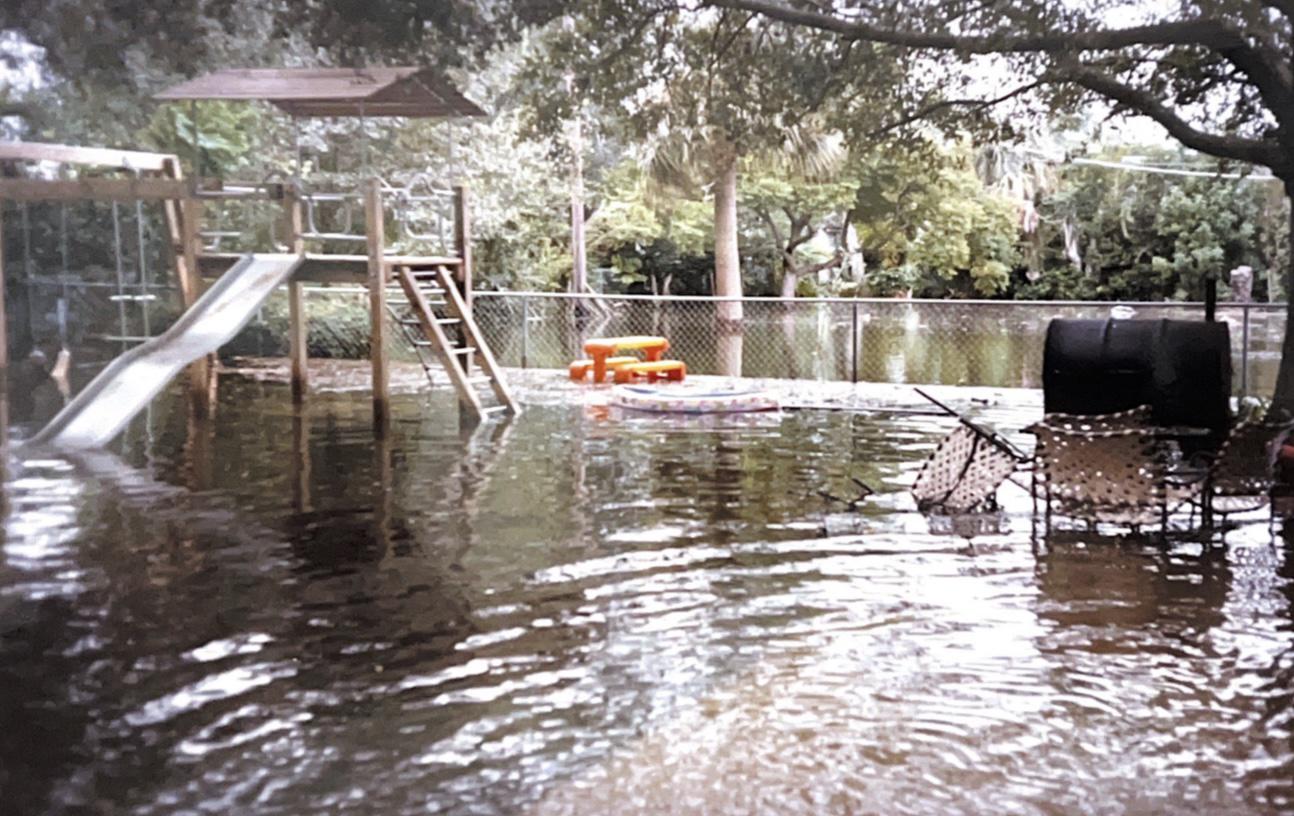
That's our backyard, one of those times. So when a buyer asks me what a street actually does in a real storm, I'm not reciting insurance terms. I'm telling them what I watched happen to my own yard.
A flood zone and an evacuation zone answer two different questions. Your FEMA flood zone applies to the property — it drives flood insurance and building requirements. Your evacuation zone applies to the people living there — it tells emergency officials who needs to leave when storm surge threatens. A home can sit in a low-risk flood zone and still be in an early evacuation zone, or the reverse. Neither one, by itself, tells you whether a specific house is a smart purchase.
None of this is a reason to stay away from Tampa Bay — my family never left, and I haven't either. It's the reason I ask buyers more questions than most agents think to ask. Since the 2024 storms, buyers have been asking sharper questions too, about elevation, prior flooding, construction, and insurance. They should be. Here's what each designation actually means, and what I look into before advising a buyer.
What's the difference between a flood zone and an evacuation zone?
Your flood zone applies to the property. Your evacuation zone applies to the people in it. Every home is in a FEMA flood zone, including Zone X. A home can be in a lower-risk flood zone and still sit inside an evacuation zone — and it can be outside an evacuation zone while remaining vulnerable to flooding from heavy rain, a nearby pond, or poor drainage. That's why I check both maps, every time, for every buyer.
What is a FEMA flood zone?
FEMA flood zones show up on Flood Insurance Rate Maps and identify different levels of flood risk. The ones I run into most often in Tampa Bay:
Flood Zone X — Lower risk than a Special Flood Hazard Area. Lenders typically don't require flood insurance here, but that doesn't mean the property can't flood.
Flood Zone AE — A Special Flood Hazard Area with a 1% annual chance of flooding. People call this the “100-year floodplain,” which gets misread constantly — it means a 1% chance in any given year, not once a century. Lenders generally require flood insurance here.
Flood Zone VE — A coastal high-hazard zone exposed to storm surge and wave action. Construction requirements are stricter, and flood insurance costs can be significant.
What is an evacuation zone?
An evacuation zone identifies areas that may face life-threatening storm surge during a hurricane. Hillsborough County uses Zones A through E — Zone A generally goes first. Some properties aren't in a designated evacuation zone at all. An evacuation zone doesn't determine whether your lender requires flood insurance — it tells you when officials may ask you to leave.
Worth knowing right now: Hillsborough County just updated its evacuation zone maps for the 2026 hurricane season, and Zone A expanded in several coastal areas. If someone tells you their evacuation zone from a map that's a few years old, that answer may already be outdated.
Can a home be in Flood Zone X and Evacuation Zone A?
Yes. This is the combination that confuses buyers most. A home can carry FEMA's lowest flood-risk label while still being one of the first areas called to evacuate, because the two maps measure different things — mapped flood risk versus storm surge danger to people.
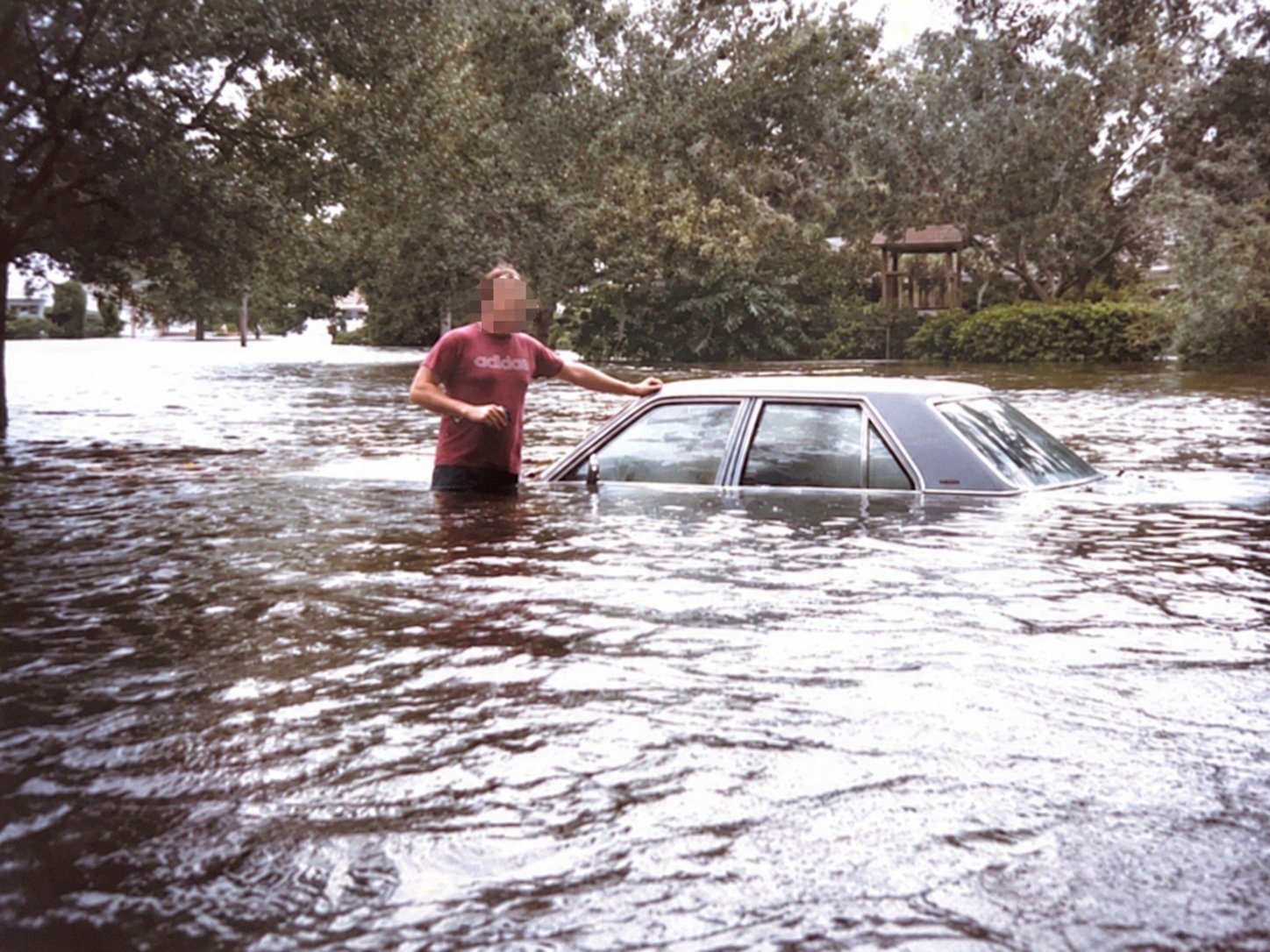
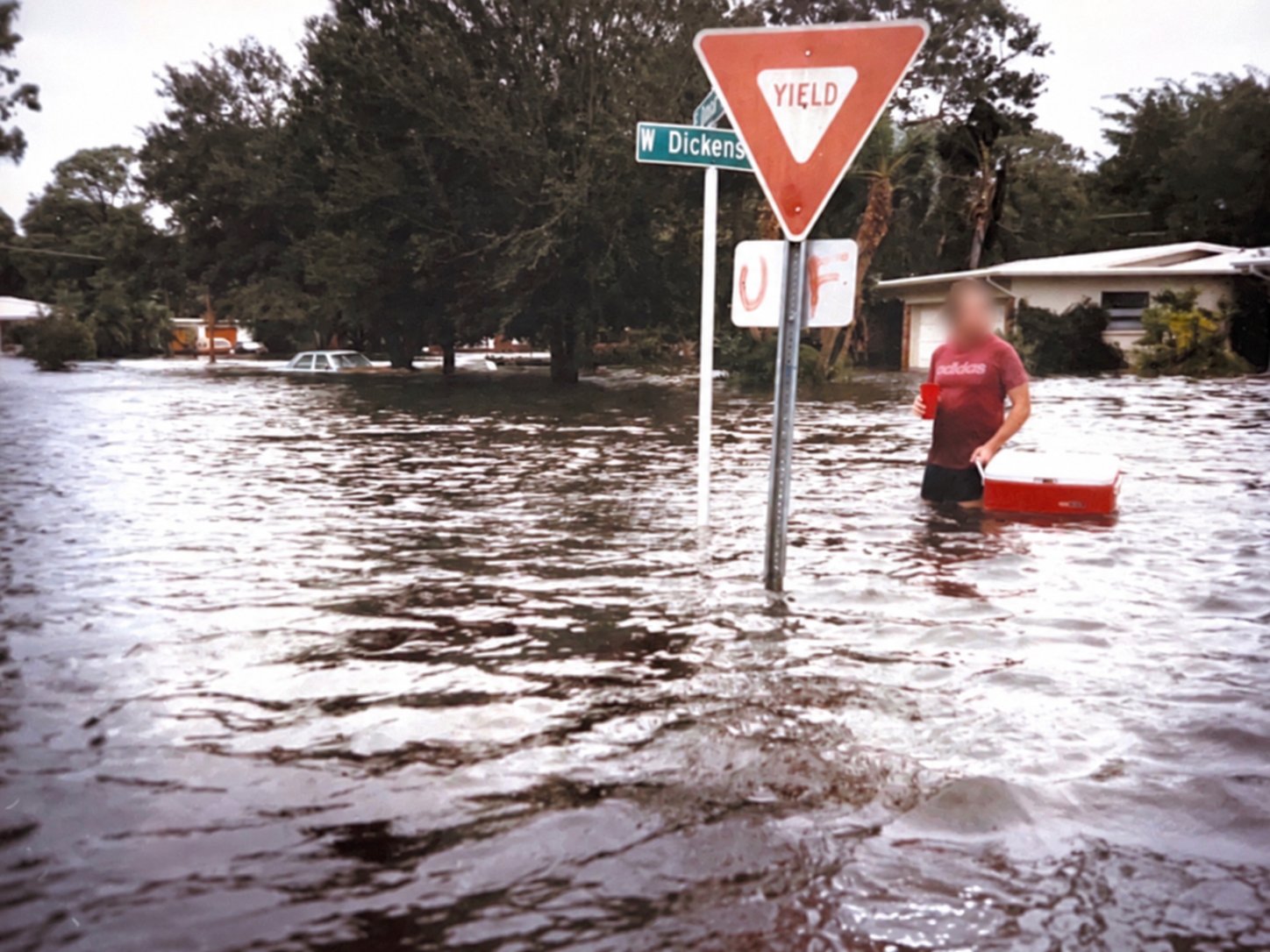
Wading down our street after the water rose. In Tampa, storms like this weren't rare — they were just part of living here
Does Flood Zone X mean a Tampa home won't flood?
No. Zone X means lower mapped risk, not zero risk. Before I let a buyer rule a house in or out, I want to know more than the letter on the map — the home's elevation compared with the street, its construction and age, drainage patterns, any prior flood claims, and whether an Elevation Certificate exists. Two homes on the same street can perform very differently in the same storm.
What is Base Flood Elevation, and why does it matter?
Base Flood Elevation (BFE) is the height floodwater is expected to reach in a flood with a 1% annual chance of happening. It matters next to the home's actual lowest floor elevation. A house built above BFE can carry a different risk profile — and premium — than an older home built low on the same street, even in the same zone.
Do you need flood insurance in Florida?
Flood coverage is separate from your regular homeowners policy. If you're financing a home in a Special Flood Hazard Area, your lender will generally require it. You can also buy flood insurance on a Zone X home — lower mapped risk doesn't mean immunity. Get an actual quote tied to the address before your inspection period ends; averages online won't tell you what your house will cost to insure.
Is an Elevation Certificate still required?
No — FEMA no longer requires one to get an NFIP policy; it now estimates elevation using its own data. But if a certificate exists, ask for it. It can still refine your insurance quote.
What should Tampa buyers investigate before writing an offer?
What's the current FEMA flood zone?
What's the current evacuation zone?
What's the Base Flood Elevation, if it applies?
What's the actual elevation of the house?
Has the property flooded before?
Is an Elevation Certificate available?
What will flood and homeowners insurance actually cost for this address?
Are there open or completed flood-related permits?
Have renovations triggered current floodplain requirements?
How did this house, and this street, perform in recent storms?
Should you avoid every Tampa home in a flood zone?
No — that's too blunt a rule for a coastal city. Some of Tampa Bay's best neighborhoods include homes in higher-risk flood zones and evacuation zones. The real question is whether that specific home's elevation, construction, insurance cost, and history work for you.
How do you check a property's flood zone and evacuation zone?
For Hillsborough County, use the Hurricane Evacuation Assessment Tool at hcfl.gov/HEAT, plus the FEMA Flood Map Service Center at msc.fema.gov. For Pinellas County, use pinellas.gov/knowyourzone. The City of Tampa also sends alerts if you text “TAMPAREADY” to 888777. Always search the exact address — a neighborhood-level map isn't precise enough to buy on.
Download the Free Florida Buyer Guide
Thinking about relocating to Tampa, South Tampa, St. Pete, or other coastal Florida areas?
Kelly Burchill is a third-generation South Tampa native and Broker Associate with Compass in Florida and New York. A former television news reporter, she specializes in South Tampa luxury real estate and NYC-to-Tampa relocation.
Published: May 27, 2026