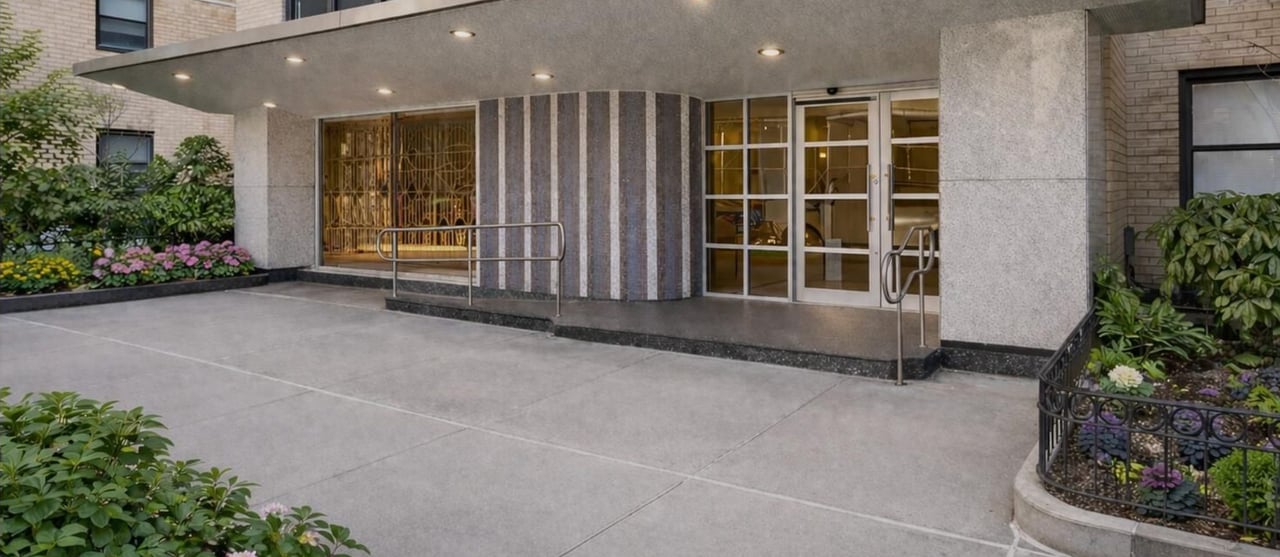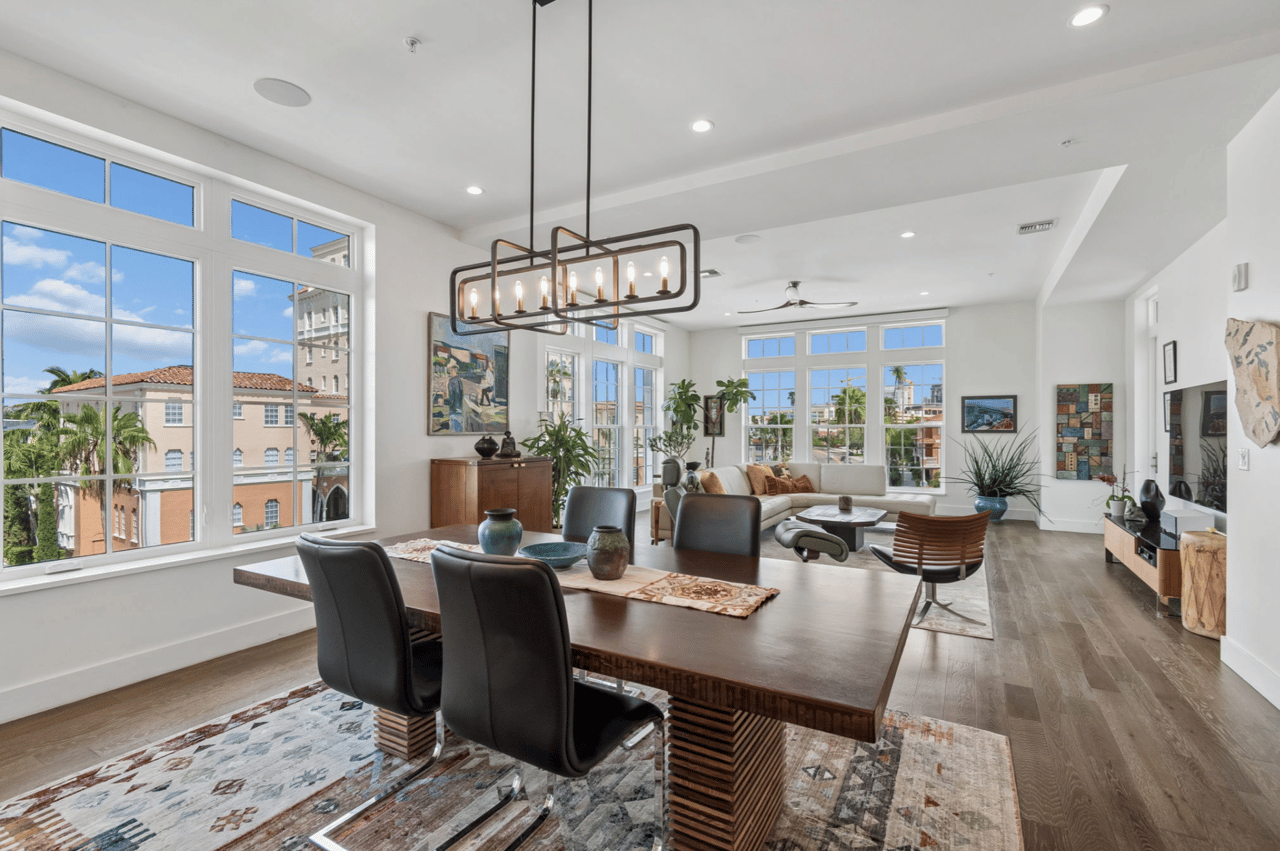
Buying in Manhattan costs a lot more at closing than buying in Tampa. On a $1.5 million purchase with an 80% loan, a Tampa buyer pays about $6,600 in closing taxes. A Manhattan condo buyer pays about $38,100, mostly from the mansion tax and the mortgage recording tax. Co-op buyers skip the mortgage tax but face board approval, flip taxes and strict cash rules. And if the apartment is a second home, New York City's new pied-à-terre tax can add a yearly bill on top.
Two texts from the same client
A Tampa client of mine is shopping for a place in Manhattan. A few weeks ago she texted me: "What's a 2% flip tax?"
A little later she sent me a New York Times article about the city's new tax on second homes and asked if she was okay, since she's looking under $1 million. My honest answer at the time: it literally changes every week.
Two questions, same theme. Both were about money she didn't see coming.
That's the gap I see over and over. Tampa buyers know what a closing looks like here. Manhattan plays by different rules. So I put every cost in one place, side by side. This post walks through it, and the free guide is at the bottom.
What closing costs does a buyer pay in Manhattan?
A Manhattan buyer usually pays the mansion tax, the mortgage recording tax if it's a condo with a loan, and a handful of building fees. Here's the short list:
Cost | Who pays | How much | Condo or co-op |
|---|---|---|---|
Mansion tax | Buyer | 1% from $1M to under $2M, rising in steps to 3.9% at $25M and up | Both |
Mortgage recording tax | Buyer, if financing | 1.8% of the loan under $500K, 1.925% of the full loan at $500K and up | Condos only |
Capital contribution | Buyer | Usually one to two months of common charges | Mostly condos, almost every new development |
Flip tax | Usually the seller | Most run 1% to 3% of the price, set by the building | Mostly co-ops |
Board application fees | Buyer | Set by each building | Co-ops and many condos |
Then add the normal stuff you'd expect anywhere: attorney fees, lender fees and, for condos, title insurance. In New York, every buyer has an attorney. That's standard, not a red flag.
How much is the NYC mansion tax?
The mansion tax is 1% of the price on any New York home that sells for $1 million or more. In New York City, a supplemental tax added in 2019 pushes it higher at $2 million and up, topping out at 3.9% at $25 million. The buyer pays it, and it applies to condos and co-ops alike. The city's Department of Finance publishes the full rate schedule.
On a $1.5 million apartment, that's $15,000. Florida has nothing like it.
What is the mortgage recording tax, and do co-ops pay it?
The mortgage recording tax is a tax on your loan, not the price. Condo buyers pay 1.8% on loans under $500,000 and 1.925% on the full loan at $500,000 and up. The lender usually covers a small slice of the official rate, which is why those are the numbers buyers actually see.
Co-ops don't pay it. You're buying shares in a corporation, not real estate, so there's no mortgage to record.
On a $1.2 million condo loan, that's $23,100. It's usually the single biggest closing cost for a Manhattan condo buyer.
What's a flip tax, and who pays it?
A flip tax is a fee a co-op charges when an apartment sells. Most run 1% to 3% of the price, and the seller usually pays it. Some buildings shift it to the buyer.
I wrote a whole post on this after my client's text: What is a flip tax? A Tampa buyer's guide to NYC co-ops. The short version: ask about it before you make an offer, and remember you'll likely pay it on the way out.
What do NYC co-op boards require from buyers?
Co-op boards decide whether you get the apartment, and every building sets its own bar. These are common:
What they look at | Typical range |
|---|---|
Down payment | At least 20% to 25%. Some buildings want 50% or all cash |
Cash left after closing | Often 12 to 24 months of mortgage and maintenance payments |
Debt-to-income | Usually around 25% to 30% |
Second-home use | Many co-ops limit part-time use and subletting |
That last row matters most for Tampa buyers. If you plan to use the apartment a few months a year, some co-ops won't love that. Ask before you fall for the place.
Here's a detail people miss: board rules can also limit renovations, including whether you can add a washer and dryer. I covered that in Can you add a washer/dryer to a Manhattan apartment?
Does the NYC pied-à-terre tax apply to Tampa buyers?
It can. New York City now charges a yearly surcharge on condos and co-ops the city values at $1 million or more when they aren't the owner's primary residence. For most Tampa buyers, a Manhattan apartment is exactly that.
On November 4, a state appeals court let the city move ahead with the rollout, and the city plans to add the surcharge to property tax bills due in January. Two other lawsuits challenging the tax itself are still pending.
One thing that surprises people: the city sets the value, not your purchase price. I'm keeping a running post with the rates and the latest rulings: Does NYC's pied-à-terre tax apply to me?
How do Manhattan closing costs compare to Tampa?
On the same $1.5 million purchase with the same $1.2 million loan, a Manhattan condo buyer pays almost six times what a Tampa buyer pays in closing taxes.
Buyer taxes at closing | Tampa | Manhattan condo | Manhattan co-op |
|---|---|---|---|
Mansion tax | None | $15,000 | $15,000 |
Mortgage taxes | $6,600 | $23,100 | None |
Total | $6,600 | $38,100 | $15,000, plus the flip tax if the building makes the buyer pay it |
Taxes only, before title, attorney and lender fees.
In Florida, the buyer's $6,600 is the doc stamps on the note ($0.35 per $100 of the loan) plus the intangible tax (0.2% of the loan). The doc stamps on the deed ($0.70 per $100) are customarily the seller's. No board, no flip tax, no pied-à-terre tax.
What should I budget for when I sell?
When you sell in Manhattan, you'll pay New York City and New York State transfer taxes, plus the flip tax if your co-op charges one. A 3% flip tax going in usually means 3% coming out.
One more: in new construction, developers often ask the buyer to pay the transfer taxes too. That can add tens of thousands at closing, so read the offering plan with your attorney.
Download the free guide
Every cost above, on two pages, with the side-by-side comparison.
Get the free guide: Buying in Manhattan From Tampa
The takeaway
Most people think the list price is the number that matters. In Manhattan, it's only the first one.
None of this should scare you off. It should just be in your budget before you start touring. The Tampa buyers who do best start asking questions a year or two early.
If New York is somewhere in your future, what's the number you'd want to know first?
And if you're going the other direction, from New York to Tampa, start here.
FAQ
How much are closing costs for a buyer in Manhattan?
On a $1.5 million condo with an 80% loan, a buyer pays about $38,100 in taxes alone, before attorney, title and lender fees. A co-op buyer at the same price pays about $15,000 in taxes, since co-ops don't pay the mortgage recording tax.
Do co-op buyers pay the mortgage recording tax?
No. Co-op buyers purchase shares in a corporation, not real property, so there's no mortgage to record. Condo buyers with a loan pay 1.8% or 1.925% of the loan.
Who pays the mansion tax in New York?
The buyer. It starts at 1% on purchases of $1 million or more and rises to 3.9% at $25 million in New York City.
Is there a mansion tax in Florida?
No. Florida buyers with a loan pay doc stamps on the note and the intangible tax, about 0.55% of the loan combined. The seller customarily pays the deed doc stamps.
Does the NYC pied-à-terre tax apply to second homes owned by Florida residents?
It can. It applies to condos and co-ops the city values at $1 million or more that aren't the owner's primary residence. The rules are still being litigated, so check with a New York tax attorney.
About the author
Kelly Burchill is a Broker Associate at Compass, Florida and New York, and a third-generation South Tampa native. She specializes in South Tampa luxury real estate, off-market opportunities, and NYC-to-Tampa relocation. With more than a decade in real estate and a previous career in TV news, Kelly brings a journalist's instinct for research and storytelling to every transaction.
Compass, Tampa, FL · kellyburchill.com · 813.758.3292
Published November 2026. This post is general information, not legal, tax or lending advice. Rates and building rules change, so confirm every number with your attorney, CPA and lender before you buy.
Sources
- NYS Department of Taxation: Real estate transfer tax and mansion tax
- NYC Department of Finance: 2025 RPTT report, rate tables
- NYC Rules: Surcharge on certain non-primary residences
- Florida Department of Revenue: Documentary stamp tax
- Brick Underground: Mortgage recording tax
- Brick Underground: Flip tax trends
- StreetEasy: Closing costs for condos and co-ops
- Smart Cities Dive: Pied-à-terre tax rollout can proceed
- Robb Report: Pied-à-terre tax moves ahead
- Commercial Observer: Appeals court win and pending suits