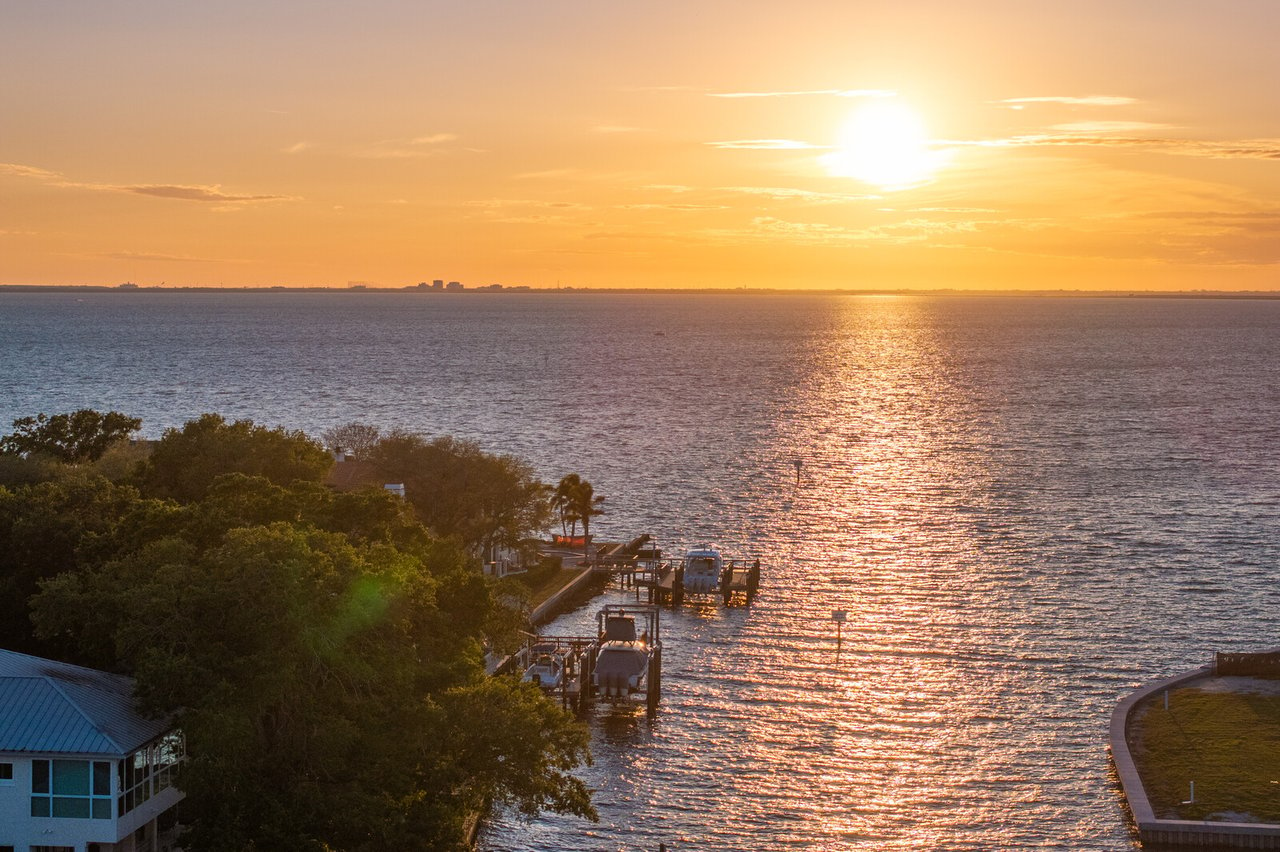
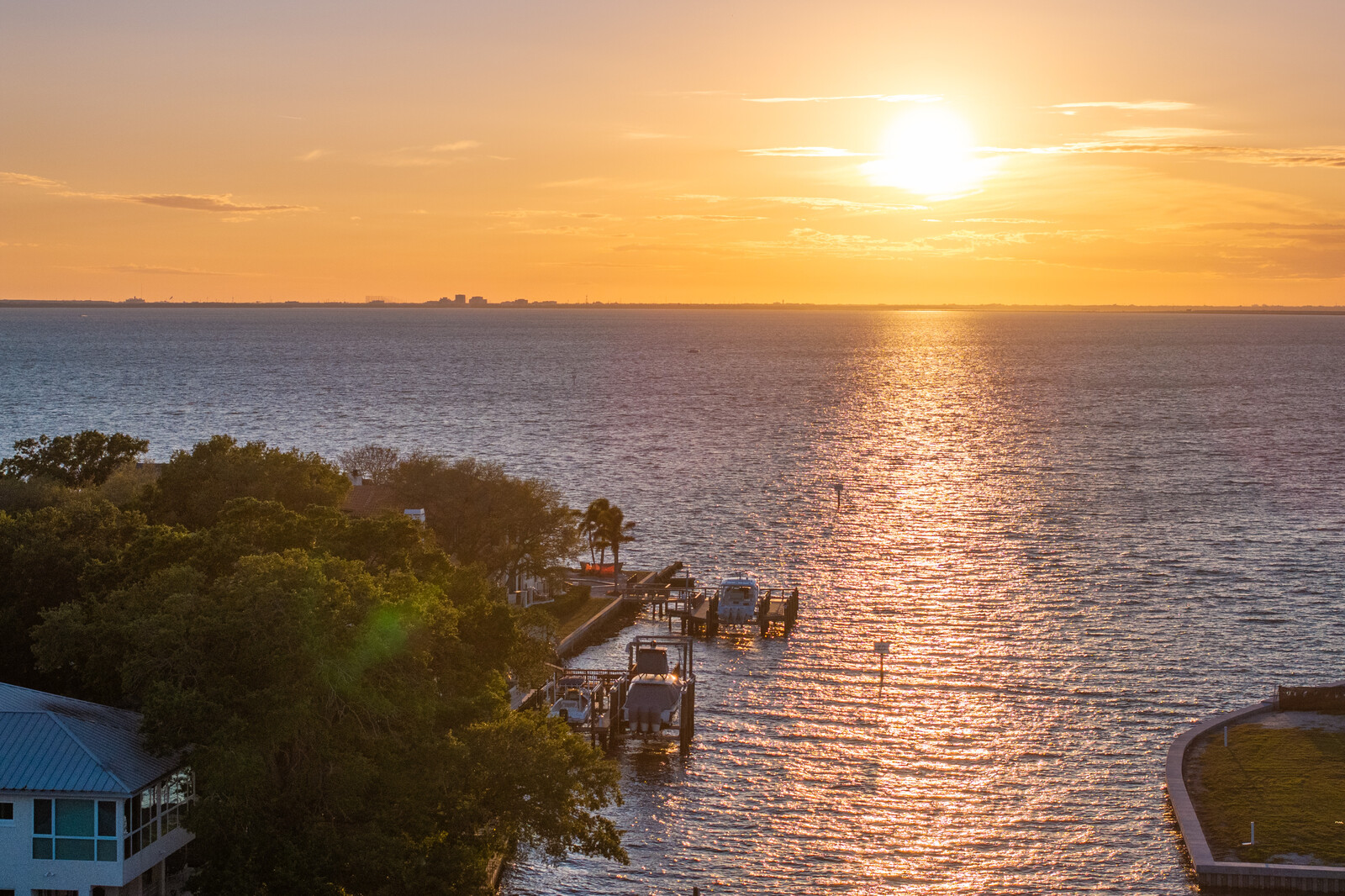
If you're moving from New York City to Tampa, five questions come up before anyone starts touring homes: whether you actually need flood insurance, which Tampa neighborhood fits the New York life you love, how to think about hurricanes, which school districts drive home values, and why two homes on the same street can be priced hundreds of thousands apart. Here's how I answer each one.
I work across two markets: Compass in Tampa and the Claudine O'Rourke Team at Compass in Manhattan. And after a few weeks working out of our New York office, I noticed the questions New Yorkers ask me before relocating are almost always these same five. They aren't what you'd expect. Nobody opens with "What neighborhood should I buy in?" That comes later. The real questions come first — and they're the ones that actually determine whether a move feels smart or stressful.
1. Do I need flood insurance?
Not always — and that surprises people. Whether flood insurance is required depends on the property's flood zone, its elevation, your lender's requirements, and sometimes the history of that specific home. Two houses a few blocks apart can carry completely different answers.
This is where address alone tells you very little. I've seen buyers walk away from a home they loved because of a flood-zone assumption that turned out to be wrong — and I've seen others skip the homework and get surprised at closing. The number that matters isn't the ZIP code. It's the elevation certificate.
If you're coming from a city where "insurance" mostly meant renter's coverage, this is the first thing worth understanding before you fall in love with anything.
2. Which Tampa neighborhood is most like the Upper East Side?
There isn't a perfect match — and chasing one is the wrong approach. The better question is what you actually loved about your New York neighborhood: walkability, architecture, being able to walk to dinner, proximity to the water, good schools within a few blocks.
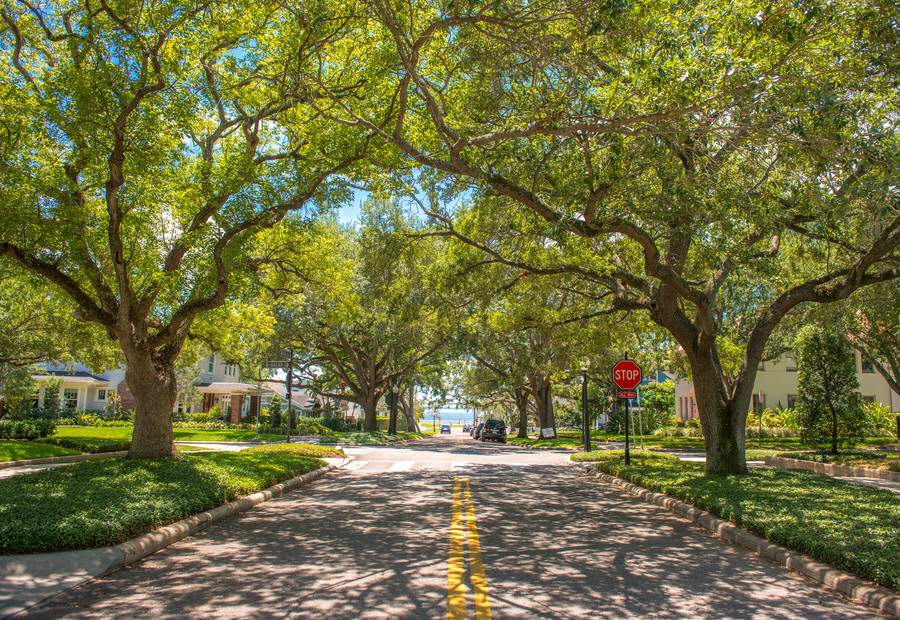
Depending on your answer, the conversation moves toward Hyde Park, Davis Islands, Palma Ceia, or another pocket of South Tampa — each of which delivers a different version of "the thing you didn't want to give up." Someone chasing brownstone-era charm and walkable streets ends up in a very different place than someone who wants a dock in the backyard.
The Upper East Side isn't a place you'll find again in Tampa. But the feeling behind why you chose it usually points to exactly where you belong here.
3. Should I be worried about hurricanes?
You should understand them, not fear them. The key is knowing that a flood zone, an evacuation zone, and a home's elevation are three different things — and most of the anxiety I hear comes from blurring them together.
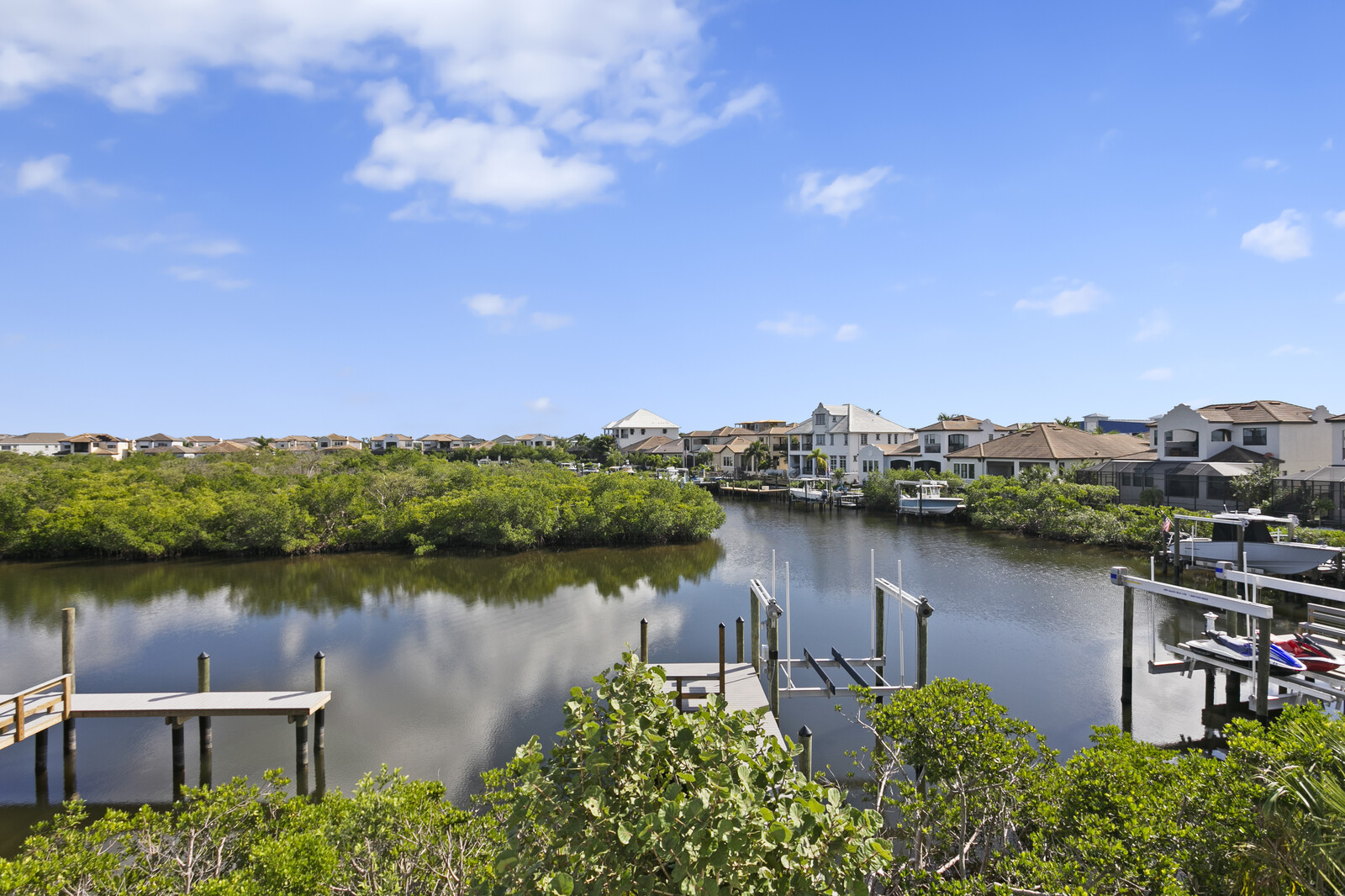
A home can sit in an evacuation zone and still be built high and dry. Another can look perfectly safe and carry real flood exposure. Once you understand which is which, the whole topic goes from scary to manageable — the same way anything does once you know how it works.
Knowing the difference between those three is far more valuable than reading one more storm-season headline. It's also the difference between buying with confidence and buying with a knot in your stomach.
4. Which school districts matter?
In South Tampa, Plant High School is the single biggest school-related driver of home values. It's not the only one, but it's the one buyers ask about by name.
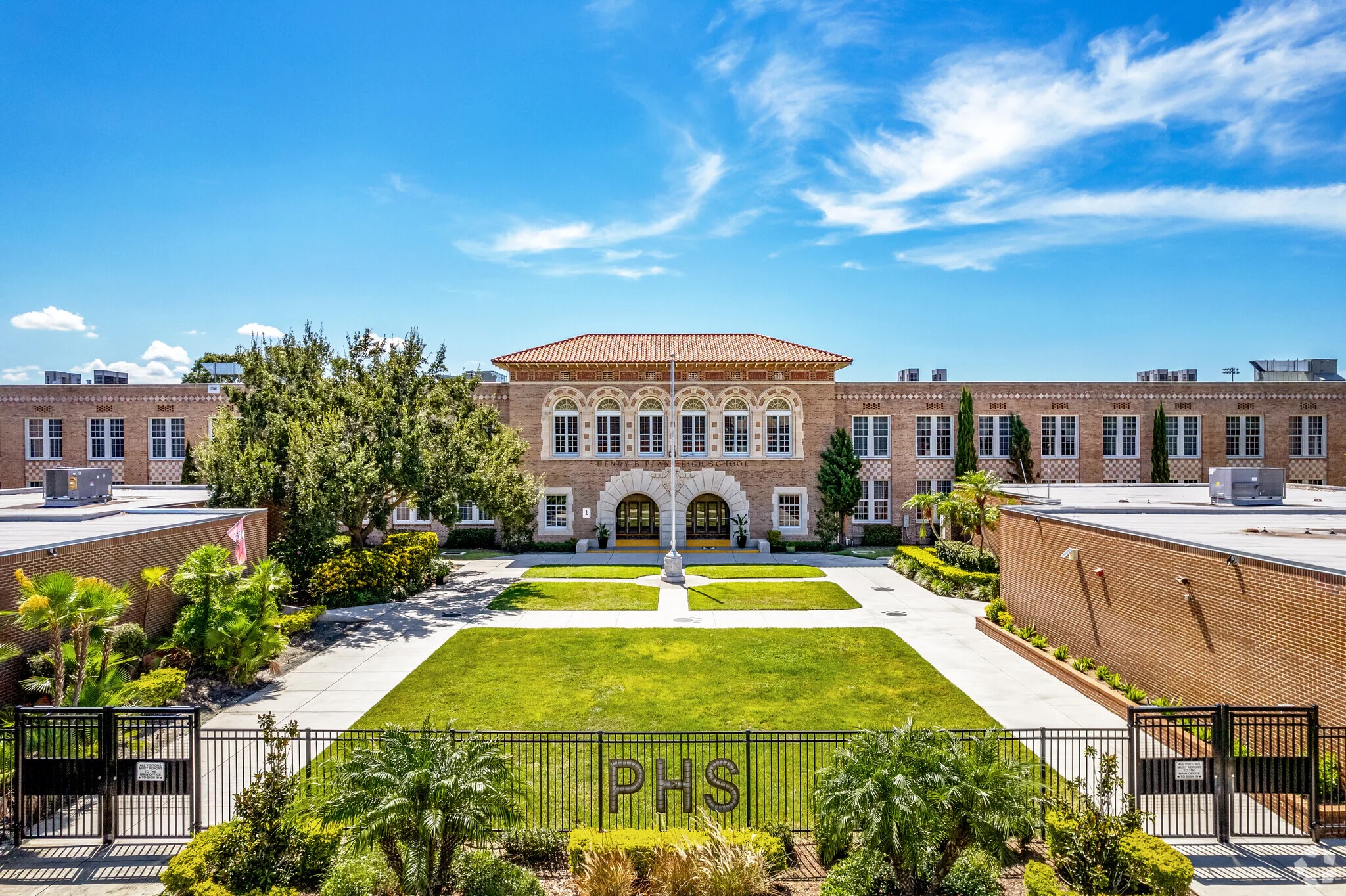
That said, "the best school" and "the right school for you" aren't always the same. The answer depends on your family's goals and how long you actually plan to own the home. If you're buying for resale strength, district boundaries matter enormously. If you're buying for your own kids for the next fifteen years, the calculus shifts.
School boundaries also explain a lot of pricing that otherwise looks random — which brings me to the last question.
5. Why can two homes on the same street have dramatically different prices?
Because price here is driven by factors that have nothing to do with square footage: school boundaries, flood risk, lot size, renovation quality, traffic patterns — sometimes even which side of the street a home sits on. Two neighboring homes can be priced hundreds of thousands of dollars apart for exactly these reasons.
This is the one that confuses people most, and it's my favorite to answer. In Manhattan, you learn to read a building — the line, the floor, the exposure, the board. In Tampa, you learn to read a street. Same skill, different city. The buyers who do well here are the ones who stop looking at price per square foot and start asking why a number is what it is.
The biggest mistake I see
New Yorkers often arrive thinking Tampa is one market. It isn't.
Every neighborhood has its own personality, pricing, and nuances. Buying in Hyde Park is a completely different conversation than buying in Beach Park, Davis Islands, Sunset Park, or Seminole Heights. Treating them as one blurry "Tampa" is how good buyers end up in the wrong home.
Working with buyers in both Manhattan and Tampa has taught me that helping someone understand a city is just as important as helping them buy a home. The listings are the easy part. The context is the whole game.
So if you're thinking about relocating from New York City to Tampa — whether from Manhattan, Brooklyn, Long Island, or anywhere in the metro area — I'm always happy to answer questions long before you ever start touring homes. Every relocation starts with understanding the neighborhoods, not just the listings.
What's the first question you'd ask before moving to a new city?
About Kelly Burchill
Kelly Burchill is a Broker Associate with Compass in Florida and New York and a member of the Claudine O'Rourke Team at Compass in Manhattan. A third-generation South Tampa native and former TV news reporter, she specializes in South Tampa luxury real estate, off-market opportunities, and NYC-to-Tampa relocation. Two Markets. One Strategy.